
What Is a UPI Credit Card and How Can It Boost Your Daily Payments?

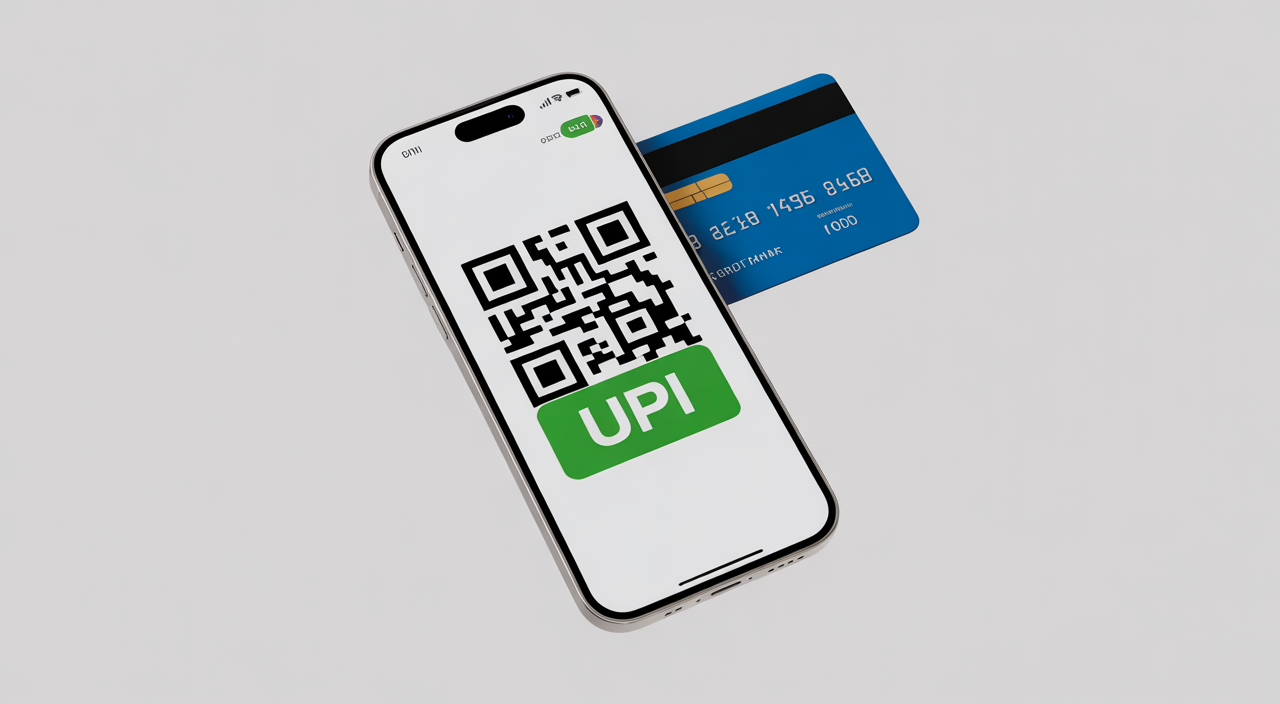
Have you ever wished you could pay on UPI and still earn full credit card rewards? That is exactly what a UPI Credit Card helps you do. It connects the ease of UPI with the power of a credit card, so your normal QR scans and UPI payments can also build cashback, points, and offers.
For Indian users who already use UPI for everything from tea to travel, this is a big upgrade. You keep the same UPI app, same QR codes, and same simple PIN. The only difference is that the money is charged to your credit card instead of directly to your bank account.
This guide walks you through how a UPI-linked credit card works, its main benefits, simple linking steps, and how to pick the right card for your lifestyle.
UPI Credit Card Explained in Simple Words
A UPI Credit Card is a regular credit card that is allowed to work on the Unified Payments Interface. Instead of swiping or tapping the physical card, you link it inside your UPI app and pay by scanning any QR that accepts credit on UPI.
Here is what happens in the background in a simple way:
- You open your UPI app and choose your linked credit card as the payment option.
- You scan the merchant QR or enter a mobile number like any normal UPI payment.
- UPI sends the payment request to your card-issuing bank.
- The bank checks your card limit and approves the payment.
- The merchant gets the money, and the amount is added to your card bill.
To you, it feels like any other UPI transaction. To the bank, it is a digital credit card payment.
Top Benefits of Using a UPI-Enabled Credit Card
When you link your credit card on UPI, you combine two strong tools into one. Here are the main advantages for Indian users.
- More rewards on everyday spends
Groceries, cabs, food delivery, local shops, and even small bills at the kirana can now earn cashback or reward points. Earlier, many of these QR-based spends were from your savings account, giving no extra benefit. - Better cash flow and up to 45 days credit period
Instead of money leaving your bank account instantly, the amount stays there while the spend goes to your card. You get the usual interest-free period, which helps with monthly budgeting if used smartly and paid on time. - One app, many payment types
With a unified payments app, you do not need to manage separate wallets and cards every time. You simply pick whether you want to pay from bank account or credit card inside the same UPI screen. - Stronger security and control
UPI already uses secure PIN-based authorisation and device binding. On top of that, credit cards have fraud monitoring, limits, and instant blocking options. This dual protection adds peace of mind for high-value transactions. - Perfect for online and offline micro-payments
From ₹10 chai to bigger ticket spends, you can use the same QR and same app. Over a month, these many small UPI transactions with credit can grow into a healthy pile of points and offers.
How to Link Your Credit Card on Major UPI Apps
The exact menu names vary by app, but the steps are broadly the same. Here is a simple step-by-step guide you can follow in any UPI app that supports card linking.
- Open your UPI app and go to the “Payment methods” or “Bank accounts” section.
- Choose the option like “Add credit card on UPI” or “Add card for UPI payments.”
- Select your card network if asked (for example, RuPay-type cards are widely supported for UPI).
- Enter the last digits of your card, expiry, and other details as requested.
- Verify through OTP sent to your registered mobile number.
- Set or confirm your UPI PIN for card transactions.
After this, when you pay using UPI, you will see your bank account and your newly linked card as separate options. Just pick the card for spends where you want rewards or extra credit period.
Best Ways to Use a UPI-Linked Credit Card in Daily Life
To get the most value, match your usage to your normal spending pattern. Here are a few practical examples.
- Groceries & milk: Scan the store QR code and pay via card on UPI to earn points on weekly supermarket trips.
- Fuel: Many fuel stations show both UPI and card symbols. Paying with your card on UPI can earn fuel-specific rewards if your card has them.
- Food delivery & dining: Restaurants and cloud kitchens that accept UPI QR can now help you build your dining rewards too.
- Travel & cabs: Use credit where your card offers extra miles or travel points, but always within a planned monthly budget.
Charges, Limits, and Things to Check Before Using
Most features of a UPI Credit Card are similar to a standard credit card, but a few extra points are worth checking in your card’s terms.
- Joining and annual fees: Some cards are free; others offer fee waivers on reaching a yearly spend target. Check if your UPI spends count toward this target.
- Transaction charges: Normal merchant payments are usually free for the cardholder. However, certain types of transactions may have a small fee, so it is good to read your bank’s schedule of charges.
- Credit limit for UPI spends: A few banks may set a separate sub-limit for UPI transactions with credit. You can often view or adjust this in your net banking or app.
- Interest and late fees: If you do not pay your bill in full, interest applies just like any other credit card. Treat UPI-linked spends with the same discipline.
Is a UPI Credit Card Safe to Use?
In India, UPI runs under the supervision of the National Payments Corporation of India and is regulated by the central banking authority. Credit cards are also tightly regulated products. When both are combined, you get multiple layers of safety.
Some key protection points include:
- Two-factor authentication using your phone plus UPI PIN.
- Instant app notifications for every transaction.
- Options to switch your card on or off for UPI, international, or online use.
- Formal dispute and chargeback process if you see unauthorised spends.
As a user, you can further improve safety by keeping your UPI PIN secret, locking your phone, and checking your statements regularly. This is similar to the advice given for any kind of secure digital financial management.
How to Choose the Right UPI Credit Card for You
There is no single “best” card for everyone. The right choice depends on how and where you spend most often.
- For daily needs: Look for higher cashback on groceries, utilities, and local store payments.
- For travel lovers: Pick a card that offers flight miles or hotel points on all UPI transactions with credit.
- For small business owners: A card with good rewards on fuel, supplies, and online marketing spends can be useful.
- For beginners: A low-fee or lifetime-free card is a good starting point while you build your credit score.
If you want a broader view on how technology is changing money and payments, you might enjoy this guide on future-ready financial technology solutions.
Simple Money Habits to Keep Your UPI Credit Card Healthy
Using a card on UPI is powerful, but it needs discipline. A few light rules can help you enjoy the benefits without stress.
- Set a monthly UPI-on-card budget and track it in your app or a simple sheet.
- Enable payment alerts so you always know when your card is used.
- Pay the full due amount before the due date to avoid interest charges.
- Review your statement each month to ensure all transactions are genuine.
Frequently Asked Questions
Q1. What is the main difference between normal UPI and a UPI Credit Card?
With normal UPI, money moves directly from your bank account to the merchant. With a UPI Credit Card, the money is charged to your credit card instead, and you pay it back later through your monthly card bill. The front-end experience in the app looks almost the same.
Q2. Can I use a UPI-linked credit card to send money to friends and family?
In many cases, UPI credit usage is limited to merchant payments and QR codes meant for business. Peer-to-peer transfers to individuals using a credit card on UPI may be restricted or treated differently by your bank. It is best to check the rules in your app and with your card issuer.
Q3. Will my UPI credit card payments help build my credit score?
Yes, if you pay your card dues on time and keep your overall usage within a healthy limit, these transactions can support a positive credit history. Late payments or heavy overuse can harm your score, just like with any other credit card.
Q4. What happens if a UPI transaction on my credit card fails but the amount is debited?
In case of a failed transaction where you see a debit, the amount is usually reversed automatically within a few working days. Keep the transaction ID from your UPI app, and if the reversal does not happen, raise a complaint through the app and with your bank. They will track it and update your card account accordingly.



Leave a Reply