
Choosing the Right Cybersecurity Consulting Company in Canada: A Comprehensive Guide for Businesses
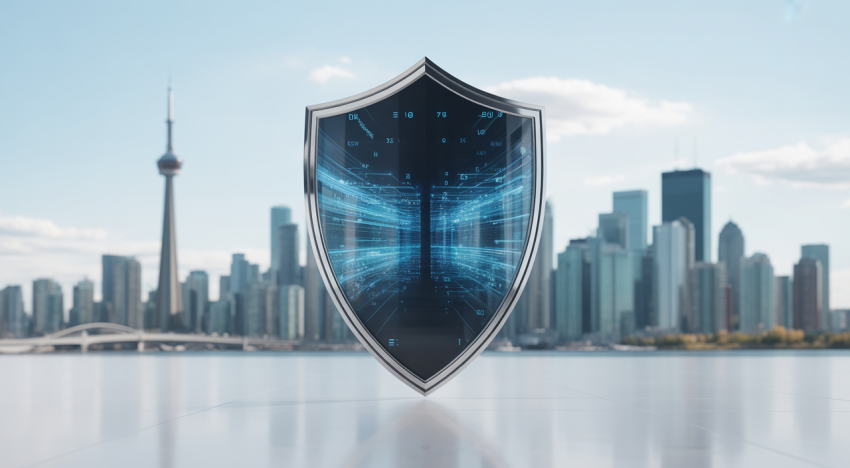
Are you concerned about cyber threats impacting your business in Canada? You are not alone. Cyberattacks are becoming more frequent and sophisticated. Businesses of all sizes face daily risks. These threats can include data breaches, ransomware, and phishing scams. Protecting your company’s valuable information and systems is crucial for survival.
Many businesses lack the internal expertise to tackle these complex challenges. This is where a specialized cybersecurity consulting company canada becomes a vital partner. They offer the knowledge and tools you need. This guide will help you understand why you need such a partner. We will also look at what services they offer. Most importantly, we will show you how to choose the best one for your unique business needs.

Why a Specialized Cybersecurity Consulting Company is Crucial for Canadian Businesses
Canadian businesses operate in a unique environment. They face specific challenges that require expert attention. Relying on general IT support might not be enough. Cybersecurity demands a focused approach.
Navigating Canada’s Unique Regulatory Landscape
Canada has its own set of laws that protect personal information. The Personal Information Protection and Electronic Documents Act (PIPEDA) is a key federal law. Many provinces also have their own strict privacy legislation. Quebec’s Bill 64 is a prime example. It adds significant responsibilities for businesses handling personal data.
Understanding and complying with these laws can be complex. An expert consulting firm helps you navigate this maze. They ensure your business follows all necessary rules. This protects you from hefty fines and reputational damage.
The Evolving Threat Landscape for Canadian Enterprises
Cyber threats are always changing. Canadian businesses are popular targets for various attacks. Ransomware encrypts your data and demands payment. Phishing scams trick employees into revealing sensitive information. Supply chain attacks target vulnerabilities in your partners’ systems.
The financial cost of a data breach in Canada is rising. Beyond money, these incidents can harm your reputation. They can also cause a loss of customer trust. A good cybersecurity consultant understands these specific threats. They help you build strong defenses against them.
Bridging the Cybersecurity Talent Gap
Finding and keeping skilled cybersecurity professionals is tough. There is a global shortage of these experts. Many Canadian businesses struggle to build a strong in-house security team. This leaves them vulnerable.
A consulting company bridges this gap. You get access to a team of specialists. They bring diverse expertise and stay updated on the latest threats. This means you have top-tier security talent on demand. You don’t need to worry about recruiting or retention issues.
What Services Should a Top Cybersecurity Consulting Company in Canada Offer?
When choosing a partner, look for a wide range of services. The best firms offer comprehensive solutions. These should cover every aspect of your security needs. Here are some essential services to consider:
Comprehensive Risk Assessments & Vulnerability Management
The first step to better security is knowing your weaknesses. A risk assessment identifies potential threats. It looks at your systems, processes, and data. Vulnerability management then fixes these weaknesses. Consultants can align your security with global frameworks. These include NIST or ISO 27001 standards. This helps you build a strong foundation.
Strategic Security Program Development
Cybersecurity is not just about technology. It’s about a clear strategy. A consulting firm helps you create a security roadmap. This plan aligns with your business goals. It defines how you will protect your assets over time. They help you integrate security into everything you do.
Incident Response & Business Continuity Planning
Even with the best defenses, incidents can happen. How you respond makes a big difference. An incident response plan outlines steps to take during an attack. Business continuity planning ensures your operations can quickly recover. This minimizes downtime and financial loss. These plans are critical for business resilience.
Having robust disaster recovery services in place ensures that your business can bounce back quickly after any interruption, including cyberattacks. This planning is a key part of overall security.
Managed Security Services (MSSP) & 24/7 Monitoring
Constant vigilance is key in cybersecurity. Managed Security Service Providers (MSSPs) offer continuous monitoring. They use advanced tools to detect threats in real-time. This can include outsourced Security Operations Center (SOC) capabilities. It provides 24/7 protection without needing a large in-house team. This is a common offering in the managed services industry.
Cloud Security & Data Protection Consulting
Many businesses use cloud services. Securing data and applications in the cloud presents new challenges. Consultants help you configure cloud environments safely. They ensure your data stays private and sovereign. This means your data is stored and processed according to Canadian laws.
Security Awareness Training for Employees
Your employees are often the first line of defense. But they can also be your weakest link if untrained. Regular security awareness training is vital. Consultants design programs that teach employees about phishing, malware, and safe online practices. This empowers your “human firewall” and significantly reduces risks.
Key Factors for Choosing the Best Cybersecurity Consulting Company in Canada
Selecting the right partner requires careful consideration. Here are the most important factors to guide your decision:
Local Expertise & Canadian Market Understanding
Choose a firm that deeply understands the Canadian market. They should know local business practices and specific regulatory bodies. This local insight ensures their advice is relevant and actionable. Look for a team that is accessible and responsive to your needs.
Proven Track Record & Client Success
A reputable firm will have a strong history of success. Ask for case studies or client testimonials. These show their ability to deliver results. Experience in your specific industry is a big plus. It means they understand your unique challenges and compliance needs.
Certifications, Methodologies & Industry Standards
Qualified consultants hold important certifications. These include CISSP, CISM, or OSCP. These show their deep technical knowledge. The company should also follow recognized security frameworks. NIST, ISO 27001, and CIS Controls are good examples. This proves they use best practices.
Tailored Solutions, Not Generic Advice
Every business is different. A one-size-fits-all approach rarely works. The best consultants offer customized strategies. They take into account your business size, industry, and specific risks. They don’t just tell you what to do. They work with you to implement solutions that fit.
Transparency in Pricing & Engagement Models
Understand the costs involved upfront. The firm should be clear about their pricing structure. Ask about different engagement models. Are they project-based, retainer-based, or on an hourly rate? Clear communication prevents surprises later on.
Essential Questions to Ask Your Potential Cybersecurity Consulting Partner
When you interview potential partners, ask these key questions:
- What is your specific experience with Canadian businesses of our size and in our industry?
- How do you stay current with Canadian cyber threats and regulatory changes?
- Can you provide references or specific Canadian case studies?
- What is your typical process for a risk assessment or incident response planning?
- How do you ensure our data and privacy are protected throughout your engagement with us?
- What is your philosophy on client partnership and long-term support?
- What are the qualifications and certifications of the team members who will work with us?
Your Trusted Cybersecurity Partner for Canadian Businesses
Choosing the right cybersecurity partner is a strategic decision. It directly impacts your business’s safety and future. You need a team that combines deep technical knowledge with a clear understanding of the Canadian landscape.
Our commitment is to Canadian business security. We offer tailored solutions designed for your specific needs. Our proactive approach ensures you are prepared for evolving threats. We provide proven results and transparent service. We aim to be an extension of your team.
Ready to strengthen your cyber defenses with an expert Canadian partner? Discover how our team can help secure your future. Visit our website for a consultation today!
Conclusion: Invest in a Secure Future with the Right Canadian Cybersecurity Partner
The digital world brings both opportunities and risks. A strong cybersecurity posture is no longer optional. It is a fundamental requirement for every Canadian business. Partnering with a skilled cybersecurity consulting company in Canada is a wise investment.
It provides peace of mind. It protects your assets, customers, and reputation. By asking the right questions and focusing on key factors, you can choose a partner that truly understands your needs. This will help you build a resilient and secure future for your business.
Frequently Asked Questions (FAQs)
Q1: How often should a Canadian business conduct a cybersecurity risk assessment?
Most experts recommend conducting a comprehensive cybersecurity risk assessment at least once a year. However, if your business undergoes significant changes, like adopting new technologies, expanding operations, or experiencing a security incident, an assessment should be performed sooner. Regular assessments help identify new vulnerabilities and ensure ongoing compliance with Canadian regulations like PIPEDA.
Q2: What’s the difference between a cybersecurity consultant and an in-house IT team?
An in-house IT team manages your daily technology operations and general network health. A cybersecurity consultant brings specialized expertise, focusing solely on protecting your digital assets. They often possess advanced certifications and knowledge of the latest threats and compliance requirements. Consultants provide strategic guidance, perform in-depth assessments, and implement specialized security solutions that an general IT team might not have the capacity or expertise for. They act as an extension of your team, filling specific security gaps.




Leave a Reply