
Essential Guide to Industrial Flare Systems: Design, Operation, and Compliance
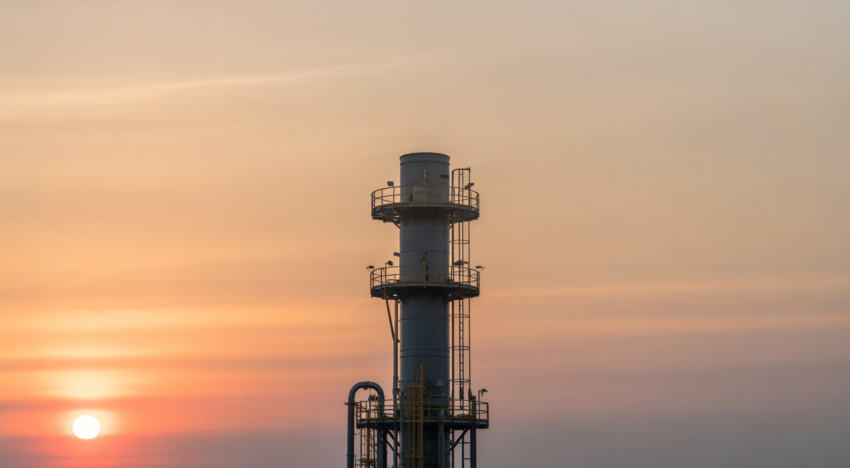
What are industrial flare systems and why do they matter?
In every refinery or large chemical plant, there is one system that must work perfectly every single time: the flare. industrial flare systems safely burn off excess or waste gases that cannot be recovered or reused. They protect people, equipment, and the environment when pressure in the plant rises suddenly.
When designed and operated well, flare systems prevent dangerous overpressure, reduce emissions, and keep your site compliant with strict regulations. When they are poorly designed, they can create visible smoke, noise, higher fuel use, and regulatory risk.
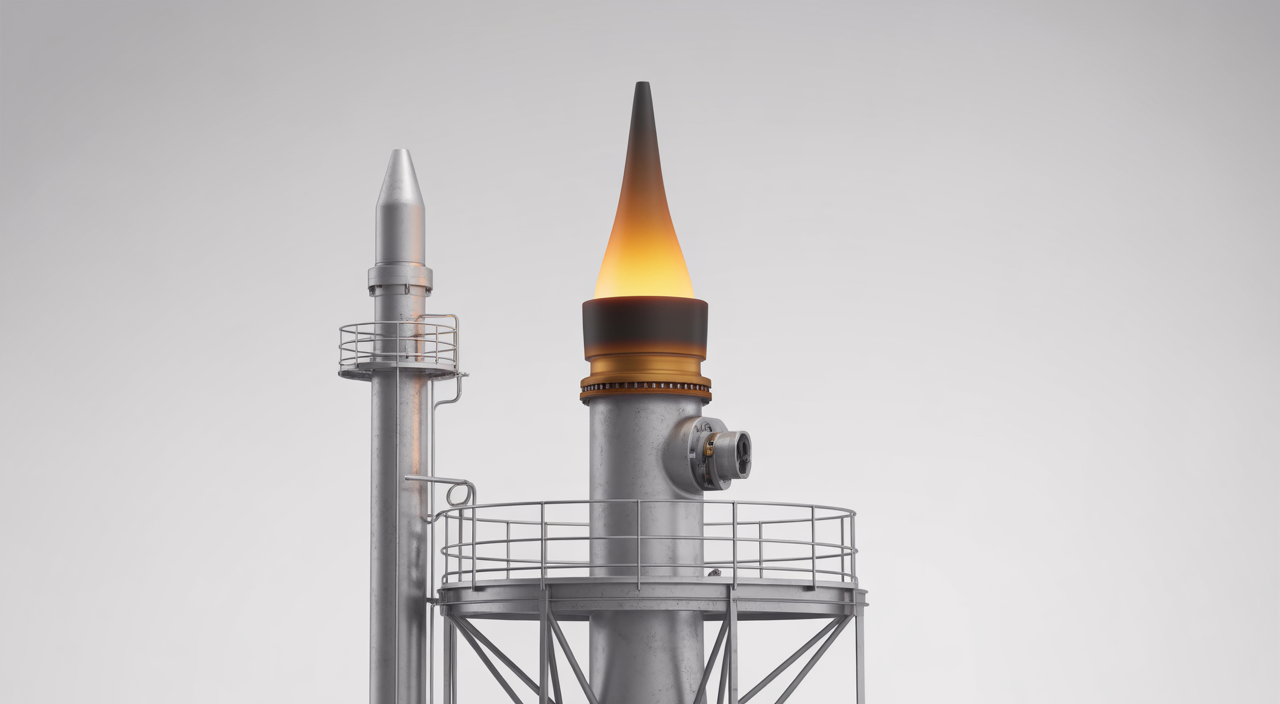
This guide walks through the basics of flare design, key safety rules, and practical tips plant teams can use, especially in high-growth markets like India where capacity and compliance expectations are rising together.
1. What are industrial flare systems?
A flare system is a controlled way to burn gases that are released from process units, storage tanks, or pressure-relief valves. Instead of venting gas to the atmosphere, it is sent to a flare stack and burned with a stable flame.
Typical uses include emergency depressurisation, planned maintenance, and routine small releases. Good flares are designed to handle a wide range of gas flows and compositions without losing combustion efficiency.
Key components include:
- Flare stack: The vertical or ground-level structure where gas is burned, kept high or enclosed to keep heat and noise away from people.
- Flare tip: The special nozzle at the end of the stack that shapes the flame and mixes gas with air or steam for clean burning.
- Knock-out drum: A vessel that removes liquids from the gas before it reaches the flare, to avoid liquid carryover and flame instability.
- Pilot and ignition system: A small, always-on flame and its ignition source that ensure the flare lights instantly when gas arrives.
2. Types of flare systems
Different plants and regulations call for different types of flare systems. The right choice depends on space, gas flow patterns, and emission limits.
Open vs enclosed flares
- Open flares: Visible flame at the top of a flare stack. Simple and common in refineries and gas processing plants.
- Enclosed ground flares: Flame is hidden inside a refractory-lined chamber. These reduce noise and visible flame, useful in urban or environmentally sensitive areas.
Steam-assisted and air-assisted flares
- Steam-assisted flares: Use steam to mix air with gas and reduce smoke. Very effective for heavy hydrocarbons but need reliable steam supply and condensate handling.
- Air-assisted flares: Use blowers or natural draft to supply air. Often preferred when steam is costly or limited, as in some Indian inland locations.
Flare gas recovery systems
Instead of burning everything, many plants now install flare gas recovery. These systems compress and treat part or all of the flare gas so it can return to fuel gas, power generation, or petrochemical feedstock. This cuts emissions and improves return on investment (ROI).
3. Design and sizing basics
Good flare design is all about handling the worst credible case safely, while still running efficiently in daily operation.
Gas composition and flow
Designers start with a detailed list of all relief scenarios. They calculate maximum, minimum, and normal flows, plus gas composition. This data feeds into:
- Relief header sizing
- Flare tip diameter
- Assist system sizing (steam, air, or gas)
Stack height and tip selection
Stack height affects radiation on the ground, noise levels, and dispersion of combustion products. It must be high enough that heat at grade is within safe limits for people and equipment. The flare tip is chosen to match gas properties, backpressure limits, and desired smokeless capacity.
Materials and coatings
Flare stacks and tips face high temperatures, corrosive gases, wind, and rain. Materials and coatings are selected to manage:
- Corrosion from sulfur or chloride compounds
- Thermal expansion and cycling
- Coastal or industrial atmosphere
4. Regulatory compliance and emissions control
Environment and safety rules around flaring keep getting tighter worldwide. Plants need flare systems that can prove high combustion efficiency and low emissions.
Global standards
- Pressure-relief and flare design generally follow recognised engineering standards focused on safe venting and depressurising.
- Environmental bodies set limits on smoke, noise, and unburned hydrocarbons.
Modern flare tips, steam- or air-assist systems, and flare gas recovery help plants stay well below these limits and avoid penalties or unplanned shutdowns.
5. Cost and ROI for flare projects
It is easy to see a flare stack as only a safety device, but it is also a long-term financial decision. Capital cost, fuel gas use, steam or power demand, and maintenance all add up across 20 or 30 years.
Key cost elements
- Stack, tip, pilots, ignition, and control systems
- Steam or air supply, including blowers or boilers
- Instrumentation and monitoring, such as flame detectors and flow meters
- Scaffolding or access systems for inspection
When you add flare gas recovery, the picture changes. Recovered gas can replace purchased fuel or feedstock, which is especially attractive where gas prices are high. In many case studies, plants recover the extra investment in a few years through reduced gas loss and fewer emission charges.
6. Maintenance and performance optimisation
A well-designed flare still needs consistent care. The best way is a simple, repeatable maintenance and inspection plan.
Routine checks may include:
- Verifying pilot flame presence and automatic ignition
- Inspecting tip condition and looking for signs of erosion or damage
- Checking steam or air lines, traps, and valves for leaks
- Reviewing flare gas flow data and smoke events in the control system
Common performance issues like smoking, flame lift-off, or noise usually tie back to incorrect assist rates, changing gas composition, or tip wear. Quick root-cause checks often return the flare to clean, stable burning without major shutdowns.
7. Choosing and working with a flare vendor
Given the safety and regulatory importance, vendor choice is critical. Whether you are upgrading an older unit in Gujarat or planning a greenfield complex near the coast, look for partners with deep process knowledge and strong after-sales support.
Questions to ask potential suppliers
- What range of gas composition and flow have your designs handled in similar plants?
- How do you demonstrate combustion efficiency and smokeless capacity?
- What remote monitoring, diagnostics, or digital tools do you provide?
- What is your service response time for field support in my region?
For a broader view of how technology is reshaping energy and utility systems, you may also like this overview of modern power distribution and distributed generation, which highlights similar themes of reliability and smart investment.
8. Frequently Asked Questions
Q1. How efficient are industrial flare systems at burning gas?
Most modern flares are designed for combustion efficiency above 98 percent when operated within their rated flow and assist ranges. This means that almost all hydrocarbons are converted to carbon dioxide and water. Proper tip selection, correct steam or air injection, and steady pilot flames are the main factors that keep efficiency high.
Q2. How can a plant reduce visible smoke from its flare stack?
Smoke forms when heavy hydrocarbons do not get enough air during combustion. To reduce it, operators can increase steam or air assist within design limits, control gas heating value by mixing with lighter streams, and keep the flare tip in good condition. Enclosed flares and smoke-abatement tips are also options, especially for plants close to residential areas.
Q3. When does flare gas recovery make the most sense?
Flare gas recovery delivers the best value when a plant has frequent or high routine flaring, access to a stable fuel gas or feedstock network, and rising costs for purchased gas or emission credits. In such cases, recovered gas can be reused in boilers, heaters, or power generation, turning what used to be a loss into a long-term saving.
Q4. What is the difference between a flare system and a thermal oxidiser?
Both burn waste gases, but a thermal oxidiser is usually a closed unit with controlled temperature and residence time, often used for low-flow, low-pressure streams. Flare systems are designed to handle very high, sudden flows at varying pressures and compositions, which is why they are tied so closely to relief and safety systems.
For more engineering-focused reading beyond flares, you may find this simple guide on safety barriers and their importance in industrial sites helpful when planning overall plant protection and layout.




Leave a Reply