
Property and Casualty Insurance in Iowa: Your Complete Guide
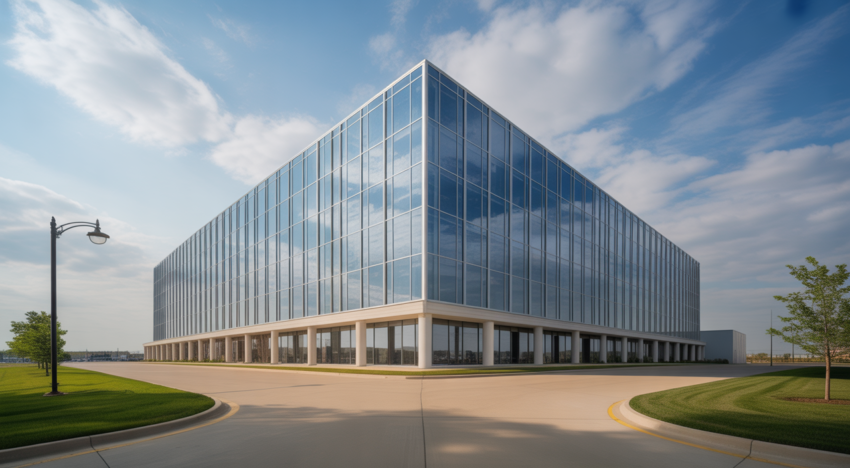

What is property and casualty insurance in Iowa and why does it matter for your business?
If you own or manage a business in Iowa, you already know how quickly risks can appear. A sudden storm, a customer slip, a machinery breakdown, or a delivery accident can all turn into big expenses. That is where property and casualty insurance iowa coverage comes in, helping protect your assets and your cash flow.
This guide breaks down what property and casualty (often called P&C) insurance means for Iowa businesses. You will learn what it covers, what the state expects from you, how costs are decided, and how to pick a strong local insurer. The goal is to help you feel confident before you speak with an agent or compare policies.
Whether you run a small retail shop, a growing tech firm, a transport fleet, or an agriculture unit, the right policy can support long-term growth and peace of mind.
Defining P&C Insurance
Property and casualty insurance is a broad term for coverage that protects what your business owns and what your business might be held responsible for. “Property” focuses on physical things you own. “Casualty” focuses on liability, which means what you might have to pay if your business is blamed for injury or damage.
Property insurance usually covers:
- Buildings and sheds
- Furniture, stock, and equipment
- Machinery and tools
- Signs, computers, and electronics
Casualty or liability insurance usually covers:
- Injuries to customers or visitors
- Damage you cause to other people’s property
- Legal defence costs if you are taken to court
Together, property and casualty insurance iowa policies form the backbone of most commercial insurance packages in the state.
Why Iowa Businesses Need Strong Coverage
Iowa has its own risk profile. Businesses must think about harsh winters, heavy storms, and hail. Rural businesses may have large storage sheds, grain bins, or workshops spread across wide areas. Urban businesses work in shared buildings, busy streets, and high-traffic customer spaces.
A few common risk areas include:
- Weather events: Wind, hail, and snow can damage roofs, signage, and inventories.
- Customer foot traffic: Slips and trips in shops, clinics, and offices can lead to injury claims.
- Business vehicles: Delivery vans and commercial trucks are on the roads daily, raising accident risk.
- Valuable equipment: Farm tools, manufacturing lines, and IT hardware are expensive to repair or replace.
With the right P&C policy, these events become manageable business bumps instead of serious financial shocks.
Navigating Iowa Insurance Laws
The good news is that Iowa’s rules are clear and business friendly. Still, it helps to know the basics so you can plan your coverage correctly.
Key points to keep in mind:
- Workers’ compensation: If you have employees, Iowa usually expects you to carry workers’ compensation coverage. This is separate from property and casualty, but your insurer can bundle it with your other business policies.
- Commercial auto: Any vehicle registered to your business must meet Iowa’s minimum auto liability limits. Most companies choose higher limits to protect against larger claims.
- General liability: There is no single law saying every business must buy this, but landlords, clients, and lenders often require proof of coverage.
As your business grows, your agent can also guide you on contract requirements, certificate wording, and other Iowa insurance regulations that may apply in your industry.
Core Property and Casualty Coverages
Most Iowa commercial policies can be customised. Here are common building blocks you will see:
1. Commercial property insurance
Covers your building, tenant improvements, equipment, stock, and more against hazards like fire, theft, wind, and hail. This is vital for warehouses, offices, retail outlets, and agriculture facilities.
2. General liability insurance
Provides commercial liability protection if a third party claims you caused bodily injury or property damage. For example, if a visitor falls at your workplace or you scratch a client’s vehicle during service.
3. Business income (loss of profits)
Pays for lost income and some ongoing expenses if a covered event shuts down your operations for a while. This can be crucial for cash flow during repairs.
4. Commercial auto insurance
Covers vehicles owned or leased by the business, including liability for injuries and damage, and optional cover for your own vehicles.
5. Inland marine and equipment coverage
Protects tools and equipment that move from site to site, such as construction tools and portable machinery.
6. Cyber and data protection
Helps if you face data theft, hacking, or network issues. Even small businesses now benefit from this due to rising online transactions.
How Much Does P&C Insurance Cost in Iowa?
Premiums vary, but understanding the main pricing factors helps you manage cost. Insurers often look at:
- Industry type: A manufacturing unit or transport fleet will usually pay more than a small consultancy office because of higher physical risk.
- Location: Exposure to storms, theft rates, and fire services in your area can affect pricing.
- Building and asset values: Higher replacement values mean higher premiums, but also broader protection.
- Claims history: A clean record often leads to discounts, while frequent claims may raise rates.
- Risk management practices: Safety training, alarms, sprinkler systems, and written procedures show you are serious about loss control.
For a quick internal check, list your buildings, main equipment, average stock level, and annual revenue. Sharing these with your agent allows a more accurate estimate from the start.
Partnering with a Trusted Iowa Insurer
Choosing a provider is about more than just price. For long-term security, focus on value and service quality. Key points to check include:
- Local understanding: A team that knows Iowa’s weather patterns, industries, and legal rules can help you design more suitable coverage.
- Claims support: Ask how claims are handled and what support you receive in an emergency.
- Customisation: Look for flexible packages that allow you to adjust limits and add extras as your business grows.
Some companies also offer risk management solutions, such as safety checklists, inspection support, and staff training guidance, which can lower both risk and premiums over time.
Real-World Examples from Iowa Businesses
Retail store in a small town
A small clothing shop invested in combined property and liability coverage. After a roof leak damaged stock, the policy paid for inventory replacement and repairs, allowing the owner to reopen quickly and keep customers happy.
Local manufacturer
A fabrication unit added equipment breakdown and business income cover to its P&C package. When a key machine failed due to a covered cause, the policy helped with repair costs and some lost revenue, keeping salaries and rent on track.
Regional service company
A maintenance business with several vans used P&C with commercial auto and inland marine coverage. When a van accident damaged both the vehicle and tools, the plan responded, preventing a serious financial strain.
Risk Management Tips to Reduce Costs
Insurance works best when combined with proactive safety steps. Simple habits can protect people and reduce premiums over time.
- Schedule regular checks of roofs, wiring, and fire equipment.
- Keep clear walkways and good lighting in customer areas.
- Train drivers on safe driving and regular vehicle maintenance.
- Use written safety policies and short refresh sessions for staff.
- Install security cameras or alarms in higher-risk locations.
These steps not only lower the chance of claims but also show insurers that your business is a careful, low-risk partner.
Next Steps for Securing Your Iowa Business
Property and casualty insurance iowa coverage is a smart foundation for protecting your business assets and reputation. Start by listing your key risks, current protections, and any contract or lender requirements. Then speak with a trusted local agent who can compare options and tailor a plan to your needs.
To better understand related commercial protections for vehicles, you may find this guide on what to consider before purchasing commercial truck insurance helpful as you review your overall risk profile.
Frequently Asked Questions
Q1. Is property and casualty insurance required for all Iowa businesses?
No single law forces every business to buy a full P&C package, but parts of it effectively become mandatory. Commercial auto and workers’ compensation are often required, and landlords or clients may insist on general liability and property coverage in their contracts.
Q2. How often should an Iowa business review its P&C insurance?
A yearly review is a good rule, or sooner if you expand, buy new equipment, add locations, or change services. Regular reviews ensure your limits stay in line with your growing asset values and that you take advantage of any new loss control services or discounts available from your insurer.



Leave a Reply