
What Is An AYUSH License And How Can Indian Businesses Get It?
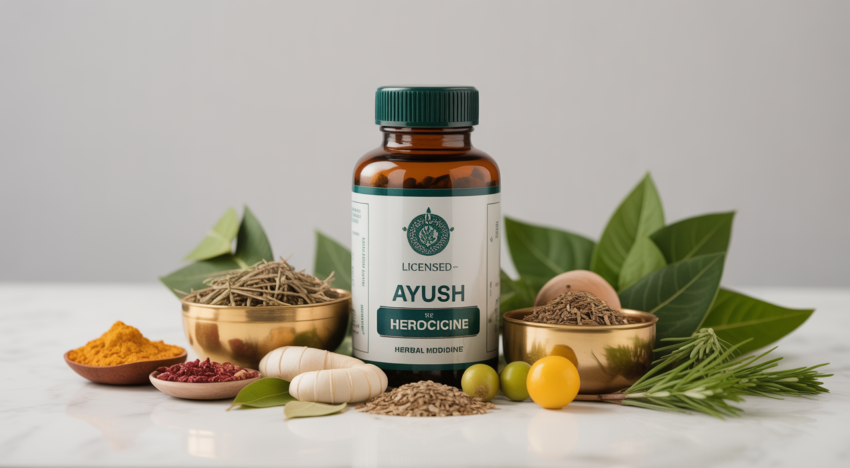
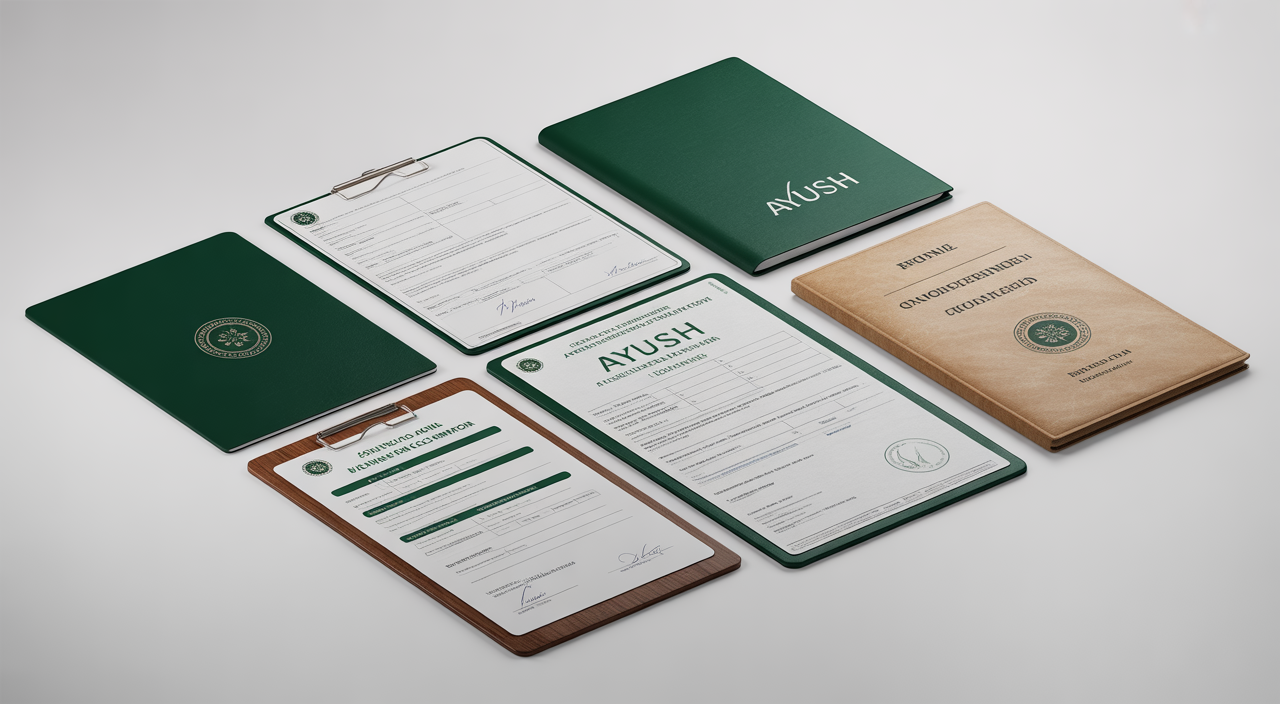
An AYUSH license is your official permission to manufacture, market, or sell products based on India’s traditional systems of medicine. This includes Ayurveda, Yoga & Naturopathy, Unani, Siddha, and Homeopathy. If you plan to launch herbal tablets, classical churnas, syrups, oils, or homeopathic medicines, you must hold a valid ayush license before you start commercial operations.
Many Indian founders start with a small formulation and test demand in their local market. That is a smart move, but the legal side must stay ahead of your growth. Getting the right license at the right time protects you from penalties and gives customers confidence that your products are safe and compliant.
This guide walks you through why an AYUSH license matters, the documents you need, the step-by-step application process, and practical tips to avoid delays or rejections.
Why An AYUSH License Matters For Your Business
For any serious AYUSH entrepreneur, this license is not just a law requirement. It is also a powerful business tool that supports long-term growth and brand trust.
- Legal compliance: You meet the rules of the Central or State AYUSH Authority and stay aligned with the Drugs & Cosmetics Act.
- All-India market access: You can sell your traditional remedies across states through distributors, e-commerce, and retail chains.
- Consumer trust: A license shows that your unit, processes, and products meet quality and safety norms.
- Expansion flexibility: Once your base manufacturing license is in place, adding new AYUSH products becomes much easier.
If you are exploring regulatory topics for Indian businesses, you may also find this guide on compliance requirements for growing enterprises useful.
Key Types Of AYUSH Businesses That Need A License
You will need an AYUSH license in several situations. The most common are:
- Setting up a new manufacturing unit for Ayurvedic, Unani, Siddha, or Homeopathic medicines.
- Third-party or loan licensing, where another approved unit manufactures your brand’s products.
- Herbal wellness brands that move from “cosmetic-style” products into medicine-type formulations.
- Export-focused brands that want to send AYUSH products to global markets from India.
In short, if your product claims to treat, prevent, or manage health conditions using AYUSH principles, you should plan for a proper license early in your journey.
Documents And Prerequisites You Should Prepare
Having your paperwork in order is half the work done. Authorities focus on three areas: your company’s identity, your facility, and your technical team.
Core mandatory documents include:
- Duly filled application form (Form A or B, as applicable).
- Covering letter on your company letterhead summarising your request.
- Proof of constitution such as Partnership Deed or Memorandum and Articles of Association.
- List of proposed products with detailed formulations and draft labels.
- Site plan and building layout of your manufacturing premises.
- Qualification and experience certificates of your technical staff.
- Good Manufacturing Practices (GMP) certificate or a formal undertaking.
- Bio-data of the pharmacist or technical officer in charge.
- Affidavit of no conviction for the company and key promoters.
Optional but helpful documents:
- ISO or other quality certifications that show process discipline.
- Test reports from accredited laboratories to support product quality.
- Previous manufacturing licenses, if you are renewing or expanding.
Organising these documents in a clear folder, both in soft copy and hard copy, saves time while filling online forms and responding to any queries.
Step-By-Step Process To Apply For An AYUSH License
The exact process can vary slightly across states, but the overall journey is similar everywhere in India.
- Identify the licensing authority: Check whether you need to apply to your State AYUSH Board or to a central authority, based on your product range.
- Gather and notarise documents: Collect all required papers, ensure consistency of names and addresses, and notarise where needed.
- Complete the application form: Many states now use online portals. Fill in all fields carefully, matching details with your documents.
- Pay fees and submit: Pay the prescribed application, inspection, and license charges. Keep all receipts and acknowledgements.
- Inspection of premises: AYUSH officials will inspect your facility to check GMP compliance, cleanliness, equipment, and storage.
- Clarify queries: If the department raises any deficiency or asks for clarifications, respond promptly with written explanations.
- Receive your license: Once approved, you receive the AYUSH license certificate, generally valid for 5 years.
Processing time is usually between 60 and 90 days when documents, premises, and technical staff are in order.
Validity And Renewal Timeline
Typically, an AYUSH license remains valid for about 5 years from the date of issue. To avoid any gap in operations, apply for renewal at least 90 days before the expiry date printed on your certificate.
Renewal often needs updated product lists, any change in partners or directors, and confirmation that your facility still follows GMP norms. Keep a compliance calendar so you never miss a key date.
Cost Components You Should Budget For
Exact government fees vary by state and product scope, but you can plan within these typical ranges:
- Application processing fee: Around INR 5,000 to 10,000.
- Inspection charges: Around INR 2,000 to 5,000.
- License issuance fee: Around INR 10,000 to 20,000.
- Professional support: If you use a consultant or compliance firm, usually INR 8,000 to 15,000.
Overall, many businesses find their upfront cost in the range of INR 25,000 to 50,000, depending on complexity and professional help used.
Common Mistakes That Delay Approval
You can avoid most rejections by keeping an eye on a few practical points:
- Do not submit product lists where formulas and labels differ from what is in your application.
- Check state-specific rules such as additional forms or local NOCs.
- Keep your GMP documentation ready and updated, not just a generic statement.
- Ensure your technical person meets qualification norms and is available during inspection.
- Track renewal and fee deadlines through a simple reminder system.
These practical habits help in other regulated areas too, such as when you manage health-related services or medical equipment. For more on hygienic operations, you may like this article on maintaining cleanliness in medical setups.
What Happens If You Operate Without An AYUSH License
Choosing to skip the licensing process is never a good strategy. Authorities can levy fines, seize unapproved stock, and even initiate legal action under relevant laws. More than that, your brand can lose its reputation with distributors and customers very quickly.
For a serious Indian investor or founder, staying compliant is part of building a trusted, long-term AYUSH venture.
How Professional Support Can Simplify The Journey
Many founders prefer to work with specialist compliance firms that focus on AYUSH and related regulatory work. Such teams can help you:
- Review documents and highlight gaps before submission.
- Prepare and file accurate forms with the right authority.
- Coordinate during inspections and respond to queries on time.
- Set up basic GMP systems that are practical for a small or mid-size unit.
- Track renewals so your ayush license never lapses.
This support is especially useful if you are busy with product development, sourcing herbs, marketing, and investor discussions.
Conclusion
An AYUSH license is the foundation of any serious traditional medicine or herbal healthcare business in India. With clear documents, a compliant facility, and the right technical team, the process is smooth and predictable.
Prepare your paperwork, understand your state rules, and follow each step calmly. With a valid license in hand, you can confidently grow your brand, expand product lines, and reach both Indian and global customers who value safe, authentic AYUSH products.
FAQs On AYUSH License
Q1: How long does it usually take to get an AYUSH license?
A1: In many states, approval takes around 60 to 90 days from the date of complete application. Timelines improve if your documents are correct, your facility is inspection-ready, and you respond quickly to any queries.
Q2: Do I need my own factory, or can I work with a third-party manufacturer?
A2: You can choose either model. If you have your own unit, you need a manufacturing license. If you use another approved unit, you can opt for a loan license or contract manufacturing arrangement, but that partner must already hold a valid AYUSH manufacturing license.
Q3: Is GMP certification compulsory for an AYUSH license?
A3: Yes, authorities expect either a GMP certificate or a strong undertaking and evidence that your premises follow Good Manufacturing Practices. This covers cleanliness, process control, storage, and proper documentation.


Leave a Reply