
Can I Sell My Land for Cash Without a Realtor?
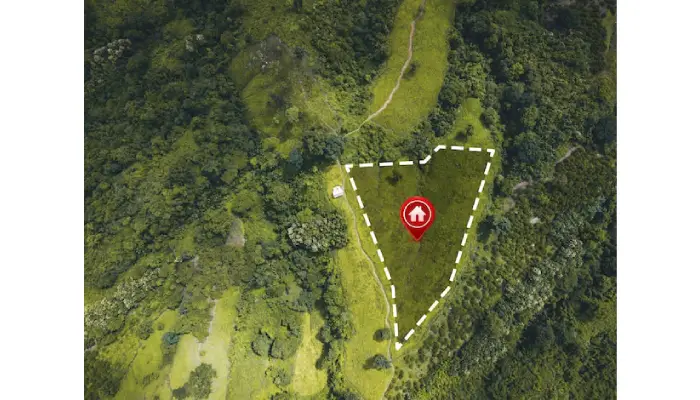
Yes, you can sell your land for cash without a realtor, which is often called For Sale By Owner (FSBO). It’s legal and doable, but you’ll need to handle all the paperwork, like deeds and purchase agreements, carefully. Hiring a real estate attorney is strongly suggested to avoid mistakes. Selling on your own saves money on commissions and gives you control over negotiations and the selling process. However, it requires time, effort, good market knowledge, and negotiation skills. Also, cash buyers can help speed up closing but always verify their funds securely to avoid any scams or delays in the sale.
Can You Legally Sell Land Without a Realtor?
Yes, you can legally sell my land for cash without involving a realtor or licensed agent. This approach, known as For Sale By Owner (FSBO), allows property owners to handle the sale independently since no real estate license is required to sell your own property. However, even without a realtor, you must properly manage all legal documents such as deeds, purchase agreements, and title transfers. It is highly advisable to engage a real estate attorney to review contracts and ensure you comply with state laws, including any specific disclosure requirements that may apply when selling land directly. Another critical step is confirming you have a clear title to the property before proceeding, which often involves conducting a title search and obtaining title insurance to protect against future disputes. You can negotiate and finalize the sale directly with buyers or their representatives, but working with professionals like attorneys or title companies helps safeguard your interests, making the process smoother and more secure.
How Selling Land Without a Realtor Saves Money?
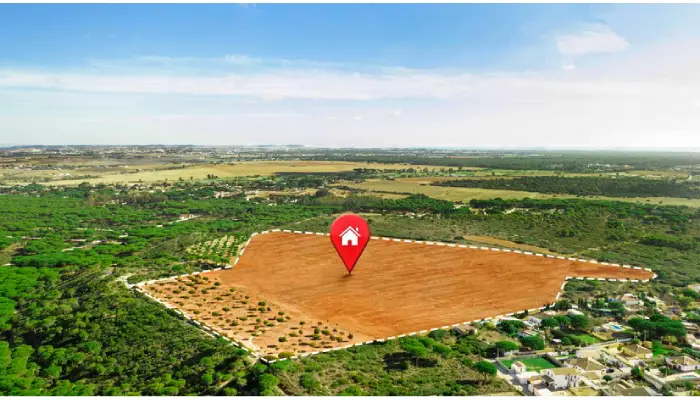
Selling your land without a realtor can save you a significant amount of money, mainly by avoiding commissions that typically range from 4% to 8% of the sale price. For example, on a $100,000 parcel, that could mean saving $4,000 to $8,000 in fees, which directly increases your net proceeds. When you negotiate directly with buyers, you eliminate intermediary fees and gain full control over the price and terms, so you aren’t pressured to accept offers just to cover agent commissions. Additionally, you can decide how much to spend on marketing, avoiding costly agent marketing fees that often include professional photos, MLS listings, and advertising campaigns. Handling inquiries yourself also means no paying for agent time or service fees. Since you won’t be sharing your sale price with a listing or buyer’s agent, you keep the transaction more private and cost-effective. You also avoid extra costs that realtors sometimes require, like staging or mandatory professional inspections, unless you choose to invest in those yourself. Cash sales further reduce closing costs and speed up the process by cutting out financing contingencies, which can save both time and money. Online listing fees for For Sale By Owner (FSBO) properties are generally much lower than realtor commissions, and managing the timing on your own avoids scheduling conflicts that can cause delays or additional expenses. Overall, selling land without a realtor puts you in charge of your costs and can lead to thousands of dollars saved.
What Challenges to Expect When Selling FSBO?
Selling your land For Sale By Owner (FSBO) comes with several challenges that can test your time, skills, and patience. First, you need to invest considerable effort in marketing the property, answering buyer inquiries, and scheduling showings, which can quickly become overwhelming without professional support. Pricing the land correctly is another hurdle because it requires a solid understanding of recent comparable sales and current market trends; setting the price too high can scare off buyers, while pricing too low means leaving money on the table. Negotiating price and contract terms can also be tricky if you lack experience, as buyers may try to push for concessions or include complex contingencies. Handling the legal side is crucial but complicated, mistakes in contracts, disclosures, or title transfers can create costly legal problems later. You also need to verify buyer qualifications and proof of funds to avoid wasting time with unqualified or fraudulent buyers, which is especially important in cash sales. Unlike residential homes, land often takes longer to sell because there are fewer interested buyers, so balancing patience with timely responsiveness is important to keep prospects engaged. Managing all communications, offers, and potential requests for inspections, surveys, or appraisals falls entirely on you, and without a broker, this workload can quickly become overwhelming. Finally, the legal risks are real if paperwork or title transfers are not handled correctly, so many FSBO sellers find it wise to hire a real estate attorney to guide them through closing. These challenges mean that while selling land without a realtor saves commission fees, it demands a strong commitment and attention to detail throughout the entire process.
How to Value Your Land Accurately?
Accurately valuing your land is the crucial first step when selling it yourself for cash. Start by researching recent sales of similar land parcels in your area through county records and online platforms. This helps establish a baseline price. Next, check with your local assessor’s office for assessed values and property tax info on comparable lots, which provides additional context. When comparing, consider factors such as land size, location, zoning restrictions, accessibility, availability of utilities, and natural features like water bodies or terrain. Any restrictions like environmental protections, easements, or zoning limitations can reduce value, so factor those in carefully. It’s also important to review current market trends and demand for land in your region, as values can fluctuate with local economic conditions. If possible, consult a professional land appraiser or real estate expert to get a formal valuation that accounts for all these details. Don’t forget to consider rights tied to the property such as mineral, water, or timber rights, as these can significantly impact worth. Also, adjust value based on any improvements like fencing, grading, or access roads, which may increase appeal. Compare prices of vacant land against parcels with development potential to decide where your property fits. Setting a realistic asking price is key, it should attract serious buyers without leaving money on the table. For example, if similar parcels with utilities and road access sell for $10,000 per acre, but your land lacks utilities, pricing closer to $7,000 per acre might be more reasonable. Taking the time to thoroughly research and appraise your land helps ensure you start the selling process on solid ground.
Preparing Your Land for Sale
Before listing your land for sale, taking the time to properly prepare it can make a big difference in attracting serious buyers and securing a good price. Start by clearing any debris, brush, or trash to improve the overall appearance and make the property look well cared for. Clearly mark the boundaries using fencing, stakes, or flags so buyers can easily see where the property lines are. If possible, invest in a professional survey to provide accurate boundary information, which adds credibility and can help avoid disputes later on. Improving or creating access roads and paths will make it easier for potential buyers to visit and evaluate the land. Gather all relevant legal documents such as the deed, property survey, tax records, and zoning information. If applicable, obtain any environmental reports or disclosures to be transparent about the land’s condition. Taking high-quality photos and videos, including drone footage, is essential to showcase the land’s best features and attract remote buyers. Remove any hazards or unsafe conditions that might discourage interest. Make sure information about utilities and water access is clear and ready to share. Finally, prepare an information packet with all these details to provide to interested buyers, demonstrating professionalism and helping them make informed decisions.
Best Ways to Market Your Land Yourself
To effectively market your land without a realtor, start by listing the property on popular online platforms. These sites attract a wide range of buyers looking specifically for land. Make sure your listing is clear, detailed, and visually appealing: include high-quality photos, highlight unique features such as views, access points, zoning, or potential uses, and write a thorough description that answers common buyer questions. Place visible “For Sale By Owner” signs on the property with your contact information to catch the attention of local passersby. Additionally, sending letters or flyers to neighbors and nearby landowners can spread the word effectively within the community. Don’t overlook traditional advertising methods like local newspapers, community bulletin boards, or magazines, which still reach many potential buyers. Using social media channels to share your listing and engage with interested parties can further expand your reach. For broader exposure, consider a Flat Fee MLS listing service, which lets you list your land on the Multiple Listing Service for a fixed price, increasing visibility without the full realtor commission. Respond promptly and professionally to all inquiries, providing extra details as needed, and network with local investors or cash buyers who often look for direct deals. Combining these strategies increases your chances of a successful sale while keeping control and saving on commissions.
Handling Buyer Inquiries and Negotiations
Respond to buyer questions promptly and professionally to keep their interest alive. When you receive inquiries, ask for proof of funds to pre-qualify buyers and get a sense of their seriousness. Understanding their intended use of the land can also help you gauge their motivation and flexibility. Be upfront about your asking price, terms, and any contingencies, so there are no surprises later. Always document all communications and offers in writing, and avoid verbal agreements without written confirmation to protect yourself legally. During negotiations, be ready to discuss price, closing dates, and other terms. For example, a buyer may want a quick closing, while you might prefer more time to settle affairs. Know the benefits and downsides of cash offers compared to financed ones: cash deals usually close faster with fewer contingencies, but might come in lower than market value. Make sure to clarify any questions about property boundaries, access roads, or utilities, as these are common concerns that can stall a deal if left unresolved. Stay patient and professional, even if negotiations get tough or drawn out. Finally, recognize when it’s time to accept an offer or propose a counteroffer to keep the sale moving forward. Keeping a clear, organized record of all offers and responses helps you stay in control and make informed decisions throughout the process.
Closing the Sale Without an Agent
When closing the sale without a realtor, it’s crucial to hire a title company or a real estate attorney to prepare and review all closing documents. This includes the purchase agreement, deed, disclosures, and any contingencies. Carefully review these documents yourself to ensure everything is clear and accurate. Coordinate with the buyer to set a mutually convenient closing date. Before closing, make sure any liens, unpaid taxes, or mortgages on the property are fully cleared. Never accept physical cash for the transaction; instead, confirm the buyer’s funds are secured through a wire transfer or an escrow account to protect both parties. At closing, verify that all signatures and notarizations are complete and correct. Immediately after closing, promptly record the deed transfer with the county recorder’s office to legally document the change in ownership. Confirm with the buyer that they receive a clear title and have possession of the property. Finally, keep copies of all documents for your records and tax reporting. Be aware of local closing costs or fees, and clarify in advance who is responsible for paying them to avoid surprises.
- Hire a title company or real estate attorney to prepare and review closing documents.
- Review the purchase agreement, deed, disclosures, and any contingencies carefully.
- Ensure the buyer’s funds are secured via wire transfer or escrow account, never accept physical cash.
- Clear any liens, unpaid taxes, or mortgages on the property before closing.
- Record the deed transfer with the county recorder’s office promptly after closing.
- Verify all signatures and notarizations are complete and correct.
- Keep copies of all documents for your records and tax reporting.
- Coordinate with the buyer to set a closing date that works for both parties.
- Understand any local closing costs or fees and who is responsible for paying them.
- Confirm the buyer receives a clear title and property possession at closing.
Why Selling Land for Cash Can Be Faster?
Selling land for cash often speeds up the process significantly compared to traditional sales involving financing. Cash buyers can close deals in as little as two weeks or even less because there’s no waiting for lender appraisals, underwriting, or loan approvals. Without these financing hurdles, the sale faces fewer contingencies, which lowers the chance of the deal falling through at the last minute. Since cash sales don’t rely on buyer financing, the risk of the buyer backing out due to loan denial is virtually eliminated. Paperwork is usually simpler, and title transfers tend to happen more quickly, cutting down on delays. Many cash buyers are investors or developers who want to move fast and close deals promptly, which helps sellers avoid long holding costs, property taxes, and risks associated with a drawn-out sale. However, sellers should verify proof of funds carefully to avoid scams or fake offers. While cash offers might be lower than market value because buyers need to make a profit, the speed and certainty often make this trade-off worthwhile. Using secure payment methods like wire transfers or escrow accounts also protects both parties and helps ensure a smooth transaction.
Key Legal and Tax Points When Selling Land
When selling land without a realtor, it’s important to understand the legal and tax obligations involved. Capital gains tax may apply if you sell the land for a profit, so consulting a tax professional before the sale can help you plan accordingly. Your purchase agreement should clearly outline all terms, contingencies, and the responsibilities of both buyer and seller to avoid misunderstandings. Many states require sellers to disclose the property’s condition and any encumbrances, like liens or easements, so be sure to provide accurate information. Conducting a title search is essential to confirm clear ownership and prevent future disputes. While you can handle much of the process yourself, hiring a real estate attorney to review contracts and manage the closing is highly recommended to ensure everything complies with local laws. Keep thorough records of all sale documents, communications, and financial transactions for tax reporting and legal protection. Familiarize yourself with local regulations related to zoning, environmental rules, and any transfer taxes or recording fees charged by your county or state. Remember, avoid preparing or altering legal documents yourself beyond your expertise to prevent unauthorized practice of law; let qualified professionals handle these aspects. Finally, report the sale properly to the IRS and meet your state’s tax filing requirements to stay in good standing.
Tips for a Smooth Sale Without a Realtor
Start by thoroughly researching local land sale laws to ensure you follow all legal requirements throughout the process. Setting a realistic asking price is crucial; compare recent sales of similar parcels and factor in any unique features your land may have. Before listing, gather all necessary documents such as the deed, surveys, tax records, and zoning information to provide buyers with clear details and avoid delays. Make the property more appealing by cleaning it up and clearly marking the boundaries, which helps during showings and builds buyer confidence. Use high-quality photos and videos to highlight the land’s best aspects, drone footage can add valuable perspective. When inquiries come in, respond promptly and professionally to maintain interest and trust. It’s wise to pre-qualify buyers by asking for proof of funds and understanding their plans for the land to avoid wasting time. Negotiate carefully and keep all communications and terms in writing to protect yourself. Even though you’re selling without a realtor, hiring a real estate attorney is highly recommended to review contracts, conduct a title search, and manage closing paperwork. For payment, use secure methods like escrow accounts or wire transfers and make sure the deed is properly recorded after closing to finalize the sale without any legal issues.
Overview of Marketing Channels for FSBO Land
When selling your land without a realtor, using a variety of marketing channels can help you reach more potential buyers. Online marketplaces to list your property and attract a wide audience. Social media platforms also offer valuable exposure, especially for buyers searching in specific areas. Don’t underestimate traditional methods: placing clear For Sale By Owner signs directly on the land catches the eye of neighbors and passersby who might be interested or know someone who is. Sending flyers or letters to nearby property owners can also generate leads from people already familiar with the area. Affordable local advertising options, like community bulletin boards or small newspaper ads, add another layer of visibility without breaking the bank. To make your listing stand out, include detailed descriptions and multiple high-quality photos, and consider investing in professional photography or drone footage for a modest fee to showcase the land’s best features. For broader reach, Flat Fee MLS services let you list on the Multiple Listing Service without paying full realtor commissions. Connecting with investors or cash buyers who specialize in land sales can speed up the process, often with fewer strings attached. Combining several of these channels and responding quickly to inquiries will maximize your chances of a successful sale.
Frequently Asked Questions
1. What steps should I take to sell my land for cash without using a realtor?
Start by researching the local market and understanding the value of your land. Prepare all necessary documents like the deed and title. Market your property through online listings, social media, or signs. Be ready to negotiate directly with potential buyers and consider hiring a real estate attorney to handle the legal details.
2. Are there any risks involved in selling land directly to a cash buyer?
Yes, there can be risks such as dealing with unreliable buyers or missing out on a higher sale price without professional guidance. It’s important to verify the buyer’s credibility and ensure all legal paperwork is correctly handled to avoid future disputes.
3. How can I find trustworthy cash buyers without a realtor?
Look for local investors, real estate investment groups, or companies specializing in land purchases. Use reputable online platforms for selling land and ask for references or reviews. Networking through community groups or local real estate meetups can also help identify reliable buyers.
4. What legal considerations should I be aware of when selling land without a realtor?
You need to ensure clear title transfer, proper contracts, and disclosure of any liens or easements. It’s wise to consult a real estate attorney to draft or review documents to avoid problems. Also, be aware of any local regulations regarding land sales to make sure you comply with all requirements.
5. How can I effectively market my land to attract cash buyers without professional help?
Create detailed listings with clear photos and descriptions highlighting features like location, size, and potential use. Use online real estate marketplaces, social media ads, and community bulletin boards. Be responsive to inquiries and consider hosting a site visit to show the property directly to interested buyers.
TL;DR Yes, you can sell your land for cash without a realtor by doing it yourself, often called FSBO. This saves money on commission and gives you control, but requires time, marketing, negotiation skills, and legal care. Start by accurately valuing your land, preparing it well, and using multiple marketing channels like online listings and signs. Handling buyer inquiries and closing the sale typically involves working with a real estate attorney or title company to ensure legal compliance. Cash sales can close faster but be sure to verify buyer funds to avoid scams. Overall, selling FSBO can be rewarding but demands effort and attention to detail to avoid pitfalls.
Resource URL:




Leave a Reply