
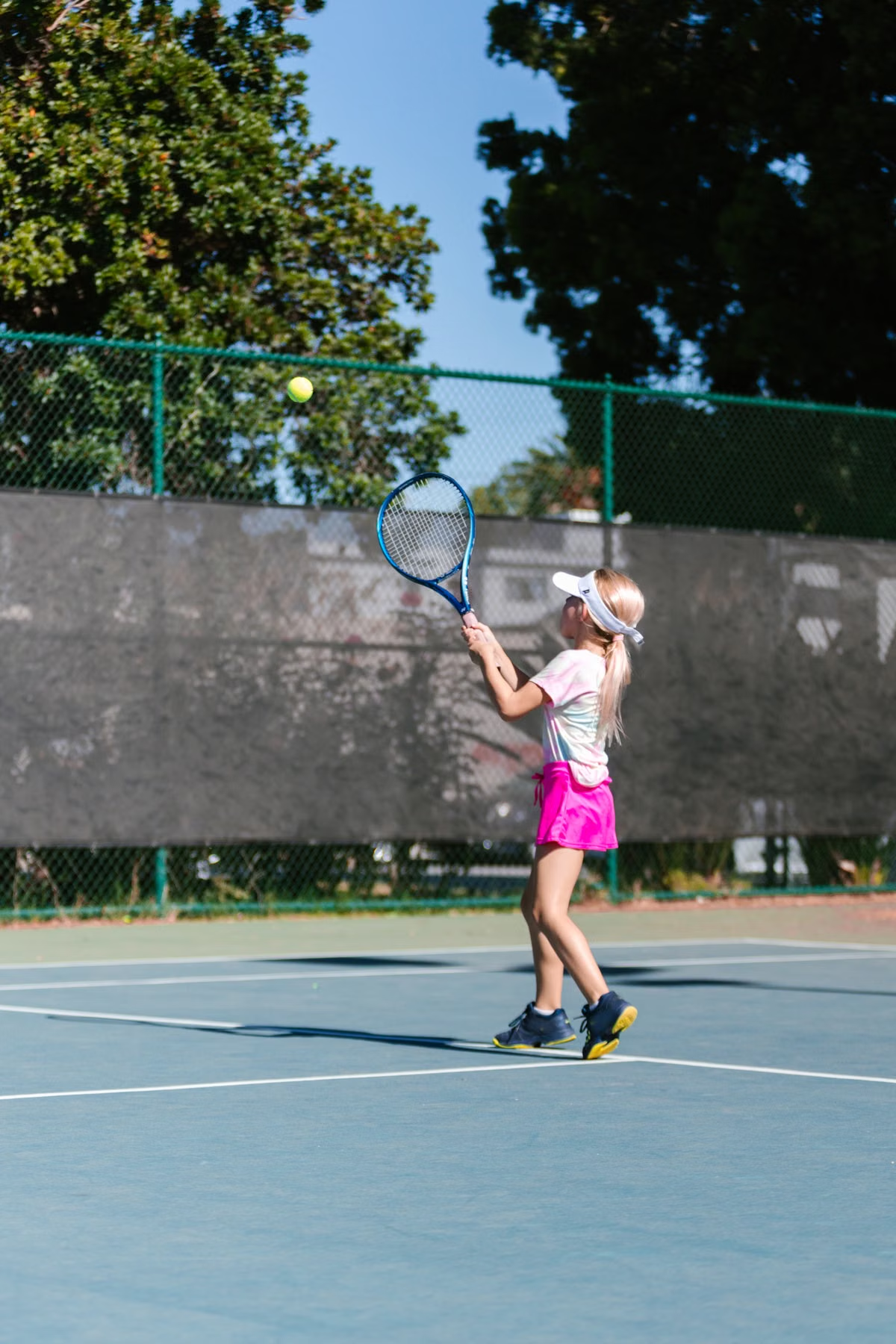
Many parents in the San Fernando Valley hear the same question from their kids at some point: can I try tennis? It is a great sport for coordination, focus and confidence, but the first program you choose shapes whether a child falls in love with the game or quits after a few weeks. If you are comparing a junior tennis program near Glendale or Burbank, this guide walks through what to look for before you sign up.
Start With Your Child's Age and Experience
Young children learn differently from teenagers. Players around age three to six usually benefit from short, game based sessions that build balance, hand eye coordination and a love of movement. Around seven to ten, structured technique starts to matter more. Teenagers often want a mix of fundamentals, match play and fitness.
Ask whether the program groups players by age and ability instead of putting everyone on the same court. A shy beginner placed beside advanced teens will rarely enjoy the experience, however good the coaching is.
Look for the Right Equipment and Ball Progression
Modern youth tennis uses smaller courts, lighter rackets and softer, slower balls for beginners. This is not a shortcut. It lets children hit real rallies sooner, which keeps them engaged. A program that hands a six year old a full size racket and a standard ball is making the sport harder than it needs to be.
Ask the coach how players move from one stage to the next. A clear progression, with simple milestones such as keeping a rally going or serving over the net, tells you the program has a plan.
Check Class Size and Coach Attention
Group size affects how much feedback each child receives. Smaller groups mean more repetitions and more individual correction. When you visit, count how many players each coach is handling and watch whether the coach speaks to every child during the session.
Also notice the tone. Good junior coaches are patient, energetic and encouraging, and they correct mistakes without embarrassing anyone. Children usually learn faster when they feel safe trying new shots.
Ask About the Balance Between Fun and Skill
The best programs treat fun and skill development as partners. Games, relays and targets keep young players motivated, while focused drills build the strokes they need later. If every session looks like a long technical lecture, younger children may lose interest. If it is all games with no instruction, progress may stall.
Ask the coach how they handle a child who is frustrated or unsure. Their answer says a lot about the culture of the program.
Consider Schedule, Location and Commitment
A schedule that fits your family routine matters as much as the coaching. Check class times against school hours, homework and other activities. A location that is easy to reach reduces stress and makes attendance more consistent, which is the most important ingredient in improvement.
It also helps to understand the options beyond a single class. Some families start with a trial session, then move to a weekly group, and later add private time. Others prefer to explore tennis membership options once their child is committed. Ask how pricing and scheduling work so there are no surprises.
Watch a Session Before You Commit
If possible, observe a class or book a trial. Look at the children rather than the coach. Are they moving, laughing, and hitting a lot of balls? Or are they standing in line waiting for a turn? High activity and visible enjoyment are good signs.
Notice the details too: clean courts, organized equipment, water breaks in hot weather and clear communication with parents at drop off and pick up.
Set Realistic Expectations
Every child develops at a different pace. Some pick up the basics in a few weeks, while others need a season to feel comfortable. Avoid comparing your child to others in the group. Instead, track personal milestones such as longer rallies, a more consistent serve or growing confidence in match play.
Results vary from player to player, and patience from parents makes a real difference. Celebrate effort as much as outcomes, and let your child enjoy the process.
How Parents Can Support Progress at Home
You do not need to be a tennis expert to help. Encourage regular attendance, make sure your child has comfortable shoes and a properly sized racket, and pack water and a snack. Short backyard games, such as bouncing a ball on the racket or tossing and catching, build coordination between lessons.
After a session, ask what your child enjoyed rather than how they performed. That small shift keeps the focus on learning and builds a healthy relationship with competition.
Final Thoughts
The right junior program meets children where they are, builds skills step by step and keeps the experience enjoyable. Compare age grouping, class size, coaching style and scheduling, watch a session if you can, and trust your child's reaction. A good first experience on court can lead to years of fitness, friendships and confidence.