When shopping for a diamond, most buyers focus on the four Cs — cut, color, clarity, and carat. But savvy consumers also think about a fifth consideration: resale value. This is especially relevant when exploring lab grown diamonds, which have transformed the fine jewelry market over the past decade. If you're weighing the investment, understanding how lab grown diamonds perform on the resale market is an essential part of the conversation.
How Lab Grown Diamonds Differ from Mined Diamonds
Lab grown diamonds are chemically, physically, and optically identical to mined diamonds. Created through either High Pressure High Temperature (HPHT) or Chemical Vapor Deposition (CVD) processes, these stones carry the same carbon lattice structure as their earth-mined counterparts. The key difference lies in their origin — and, increasingly, their price point. As production technology has advanced and become more efficient, the cost of creating lab grown diamonds has dropped substantially, making them accessible to a wider range of consumers.
This technological democratization is a double-edged sword when it comes to resale. Because production costs continue to decline, the market price for lab grown diamonds has fallen over time. That said, the picture isn't entirely bleak — especially when you understand what you're actually buying and why.
Resale Value: Setting Realistic Expectations
It's important to approach diamond resale with realistic expectations, whether the stone is mined or lab grown. All diamonds — natural or created — typically sell for less than their retail price on the secondary market. Jewelers and retailers mark up diamonds significantly, and that markup is rarely recouped when reselling. For mined diamonds, resale typically yields 20–50% of original purchase price. For lab grown diamonds, resale returns tend to be lower, primarily because the cost of producing new lab diamonds is falling.
What matters most isn't simply resale percentage, but total value delivered. Because lab grown diamond engagement rings typically cost 50–80% less than comparable mined diamond pieces, buyers often come out ahead even factoring in lower resale values. The savings at purchase can be redirected toward a larger stone, a higher quality setting, or other life priorities — giving you more diamond for your budget from day one.
Factors That Influence Lab Diamond Resale
Several key factors impact how well a lab grown diamond retains value over time:
Certification matters. Diamonds graded by reputable labs like the Gemological Institute of America (GIA) or the International Gemological Institute (IGI) are easier to resell because buyers trust the assessment. Always choose a certified stone, as uncertified diamonds are significantly harder to sell on the secondary market.
Cut quality drives desirability. The cut of a diamond has the greatest impact on its brilliance and fire. Excellent or Ideal cut grades command more interest from buyers. A well-cut lab diamond will always attract more secondhand interest than a poorly cut one of the same carat weight.
Size matters — to a point. Larger carat weights tend to hold value better in percentage terms than smaller stones, simply because there is more robust demand for statement pieces in the resale market.
Lab Grown Wedding Bands: A Different Value Proposition
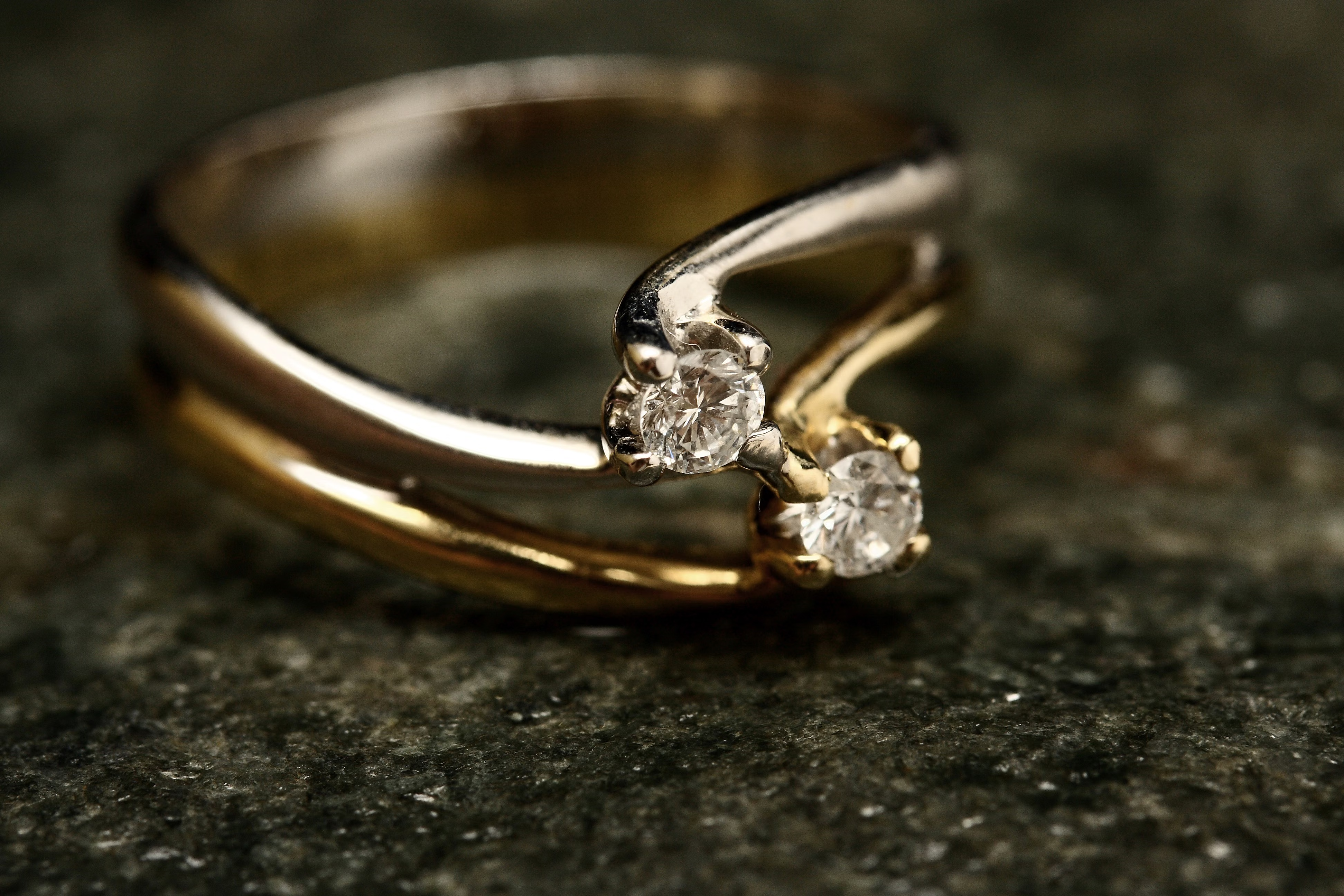
It's worth distinguishing engagement rings from wedding bands when thinking about resale. lab grown diamond wedding bands often incorporate multiple smaller stones in pavé, channel, or eternity settings. These styles have strong ongoing demand and tend to command reasonable secondhand prices, particularly when the band features a classic design that remains stylish across decades.
Trendy or highly personalized settings can be harder to sell, as they limit the pool of interested buyers. When selecting a wedding band with long-term value in mind, opt for timeless settings and classic metal choices like platinum or 14K white gold.
The Bigger Picture: Value Beyond Resale
Ultimately, the resale question is worth considering, but it shouldn't overshadow the genuine value that lab grown diamonds deliver. The stones are real diamonds — not simulants like cubic zirconia or moissanite — and they carry all the aesthetic, durability, and symbolic weight of mined stones. For many buyers, the ethical dimension adds its own value: lab grown diamonds avoid the environmental and social concerns associated with mining operations.
If you're planning to hold onto your diamond jewelry for life and pass it on as an heirloom, resale value is essentially irrelevant. The diamond will serve its purpose for generations. If you anticipate selling someday, choose a well-cut, certified stone with a classic setting, and treat any recovery on resale as a bonus rather than a guarantee.
The bottom line: lab grown diamonds offer extraordinary value at the point of purchase. With the right choices in cut, certification, and setting, you'll own a stunning, durable diamond that you can wear and cherish — and potentially sell for a reasonable return when the time comes.