
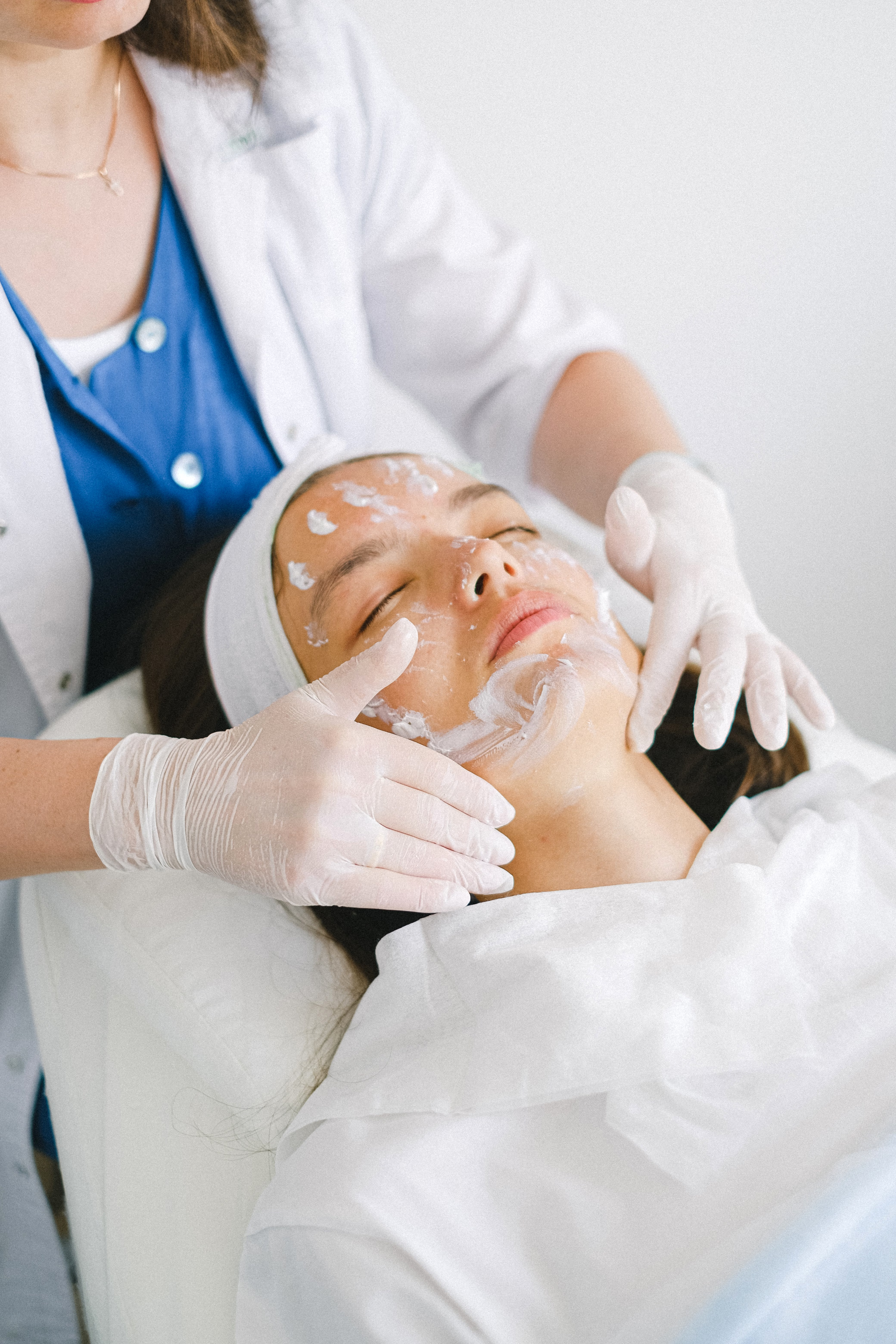
Few things are more frustrating than looking in the mirror and feeling that your skin no longer reflects how you feel inside. Maybe your forehead lines have deepened, your complexion looks uneven, or your face seems more tired than you are. These concerns are common, and they are rarely the result of anything you did wrong. Skin changes with age, sun exposure, stress, and genetics. The encouraging part is that today's non-surgical options offer practical ways to address many of them without extended downtime.
Whether you are researching treatments for the first time or comparing a few providers, a local med spa glendale ca can be a helpful place to begin the conversation. Below, we break down the most frequent skin concerns and the approaches typically used to manage them.
Why Skin Looks Tired Over Time
Several processes work together. Collagen and elastin, the proteins that keep skin firm and elastic, gradually decline. Facial fat pads shift and thin, and repeated muscle movement creates lines that settle into the skin. Sun exposure accelerates all of this, adding uneven pigmentation and rough texture. Sleep, hydration, and lifestyle habits matter too, though they rarely tell the whole story.
Understanding the cause of a concern is the first step toward choosing the right fix. A line caused by muscle movement calls for a different solution than a scar or a patch of sun damage.
Concern One: Expression Lines
Lines on the forehead, between the brows, and around the eyes come from repeated muscle contractions. Neuromodulators such as Botox temporarily relax the targeted muscles, softening the lines that form when you frown, squint, or raise your eyebrows. Results generally appear over several days and last for a few months, after which treatment can be repeated.
Some people prefer a lighter approach, often called baby or preventative Botox, using smaller amounts to maintain movement while reducing the formation of deeper lines. A skilled injector will discuss how much movement you want to keep, since the goal is a rested look rather than a frozen one.
Concern Two: Loss of Volume and Definition
As we age, cheeks can flatten, lips can thin, and shadows can appear under the eyes. Dermal fillers restore volume and contour, while products such as Sculptra work differently by stimulating the body to produce its own collagen over time. Because the effects build gradually, Sculptra is often chosen by people who want a subtle, progressive improvement.
Lip enhancement deserves its own mention. Natural-looking results depend on proportion, so a careful provider considers the whole face rather than the lips alone. If you are unsure how much to add, starting conservatively and building later is usually wiser than correcting too much.
Concern Three: Rough Texture, Acne Scarring, and Enlarged Pores
Texture issues respond well to treatments that trigger the skin's repair response. Microneedling creates tiny controlled channels in the skin, prompting new collagen production. Radiofrequency microneedling, such as Morpheus8, adds heat energy delivered to deeper layers, which can help with firmness as well as texture. Several sessions are typically recommended, spaced a few weeks apart, with gradual improvement rather than instant change.
Because these treatments affect healing tissue, aftercare matters. Expect some redness and sensitivity, avoid direct sun, and follow the instructions your provider gives you. Skipping sunscreen can undo much of the benefit.
Concern Four: Unwanted Hair
Ongoing shaving, waxing, and plucking take time and often cause irritation. Laser hair removal targets the pigment in hair follicles to reduce growth over a series of sessions. Candidacy depends on factors like hair color and skin tone, so a professional assessment is important to choose the right device settings and avoid complications.
Concern Five: Stubborn Weight and Metabolic Health
Many people searching for aesthetic help are also concerned about weight. Medically supervised programs that use prescription therapies, nutrition guidance, and regular monitoring can support weight management for appropriate candidates. These are medical decisions that require evaluation of your health history, so they should always be overseen by a licensed clinician rather than approached casually.
Matching the Treatment to the Problem
With so many options, it helps to think in terms of the underlying issue:
- Lines caused by movement: neuromodulators.
- Lost volume or contour: fillers or collagen-stimulating injectables.
- Texture, scarring, or laxity: microneedling or radiofrequency microneedling.
- Unwanted hair: laser hair removal.
- Weight and metabolic goals: medically supervised programs.
Many people benefit from combining approaches over time, and a good provider will sequence treatments logically instead of recommending everything at once.
Setting Realistic Expectations
No treatment can stop time, and results vary from person to person. Honest providers explain that improvement is the goal, not perfection. They also discuss maintenance, since most non-surgical results are not permanent. Knowing this upfront helps you budget and plan rather than feel disappointed later.
It is also reasonable to expect a candid answer when a treatment is not the right fit. Sometimes the best recommendation is a simpler skincare routine, daily sunscreen, or a different procedure altogether.
Taking the Next Step
If your skin has been bothering you, a consultation is a low-pressure way to get clarity. Bring your questions, describe what you would like to change, and ask how each recommended option works. You can explore the services available at Elevate Aesthetics in Glendale and request an appointment to discuss a plan built around your goals.
The right plan starts with understanding your skin, not chasing a trend. With patience, sensible expectations, and a qualified provider, many common concerns can be softened in ways that look natural and feel like you.