
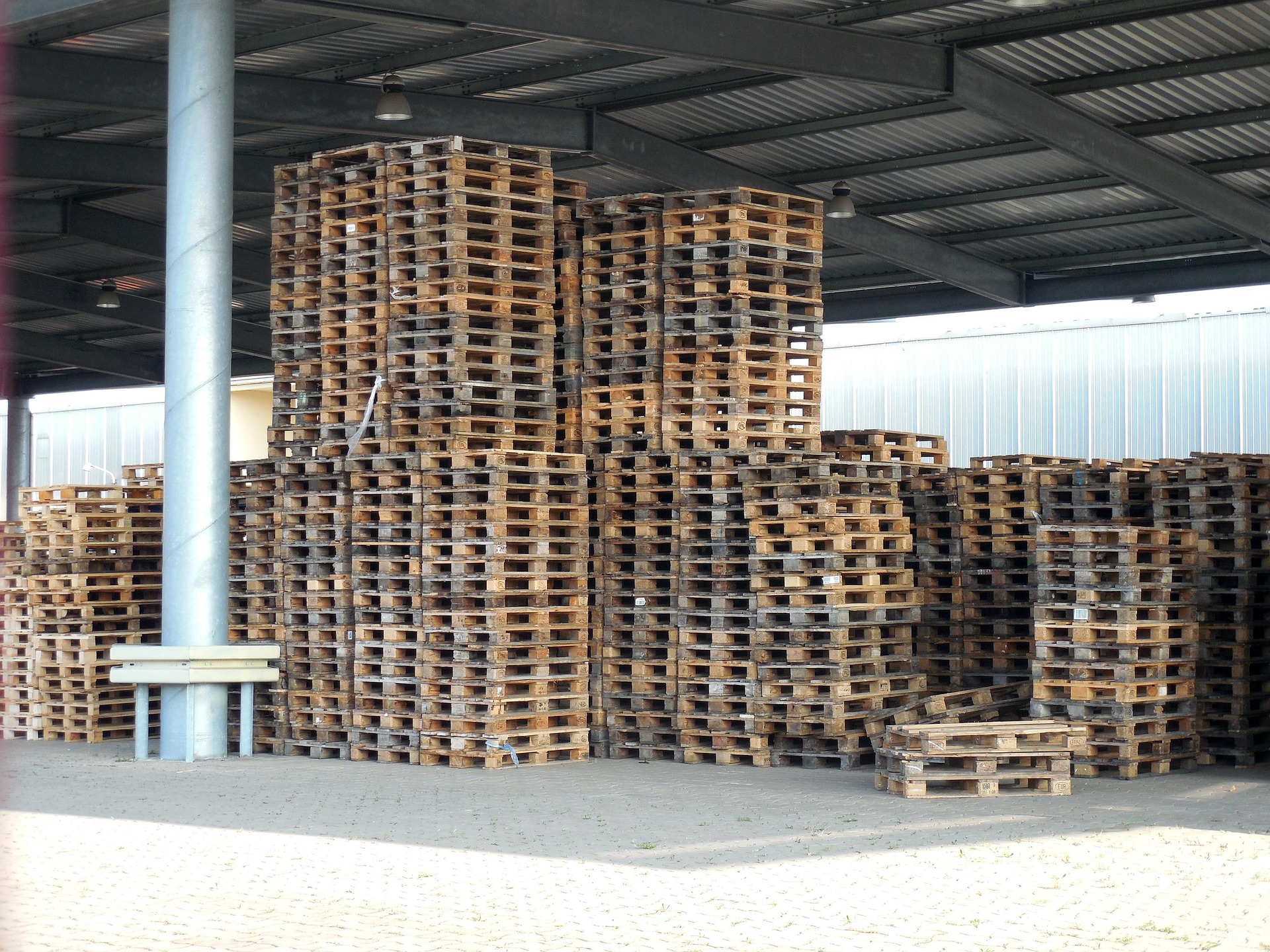
Why Pallet Choice Quietly Decides Your Shipping Costs
Most manufacturers only think about pallets once a shipment gets rejected or a load shifts in transit. By then, the damage is already done. The type of pallet you choose affects everything from freight weight and warehouse stacking to how confidently your goods survive a long-haul export journey.
Export-heavy industries like pharmaceuticals, textiles, and electronics are especially sensitive to this. A pallet that looks fine for domestic transport can fail ISPM-15 fumigation norms at a foreign port, leading to delays, extra costs, and unhappy clients. Getting this decision right early saves a lot of rework later.
What to Check Before Picking a Supplier
Not every pallet supplier is built for industrial or export volumes. Before signing on with one, look at a few practical things: do they offer heat-treated options that meet international phytosanitary rules, can they handle custom sizes for irregular loads, and do they have the capacity to deliver consistent batches on a recurring schedule.
It also helps to work with wooden pallet manufacturers in India who already serve multiple industries, since their production lines are usually set up to handle varied load capacities and export documentation without slowing down your dispatch timelines.
Matching Pallet Type to Load and Industry
A single pallet type rarely fits every use case. Heavy machinery parts need a different load-bearing design than cartons of packaged food or textile bales. Two-way entry pallets work fine for simple forklift access, while four-way entry designs give more flexibility in crowded warehouse aisles where pallet jacks approach from different sides.
Weight capacity matters just as much as wood type. A pine wood pallet rated for a few hundred kilograms is a poor match for export machinery that needs a platform rated well above a tonne. Checking the stated load capacity against your actual product weight, including packaging, avoids pallets that crack or sag mid-transit.
Where Paper and Plastic Pallets Fit In
Wood is not always the right answer. For lighter, single-use shipments, paper-based pallets can cut freight weight and simplify customs clearance since they skip fumigation requirements altogether. They are a practical fit for air shipments or domestic runs where the pallet does not need to survive repeated handling.
For businesses evaluating alternatives, it is worth comparing paper pallet options for lighter loads against standard wooden builds, since the right call usually comes down to how many times the pallet will be reused and whether the shipment is crossing international borders.
A Few Questions Worth Asking Before You Order
Before placing a bulk order, it helps to ask the supplier a short list of questions: What is the maximum load capacity for this specific pallet design? Is the wood heat-treated and ISPM-15 stamped for export? Can they match your warehouse's existing pallet footprint so stacking stays consistent?
Suppliers who answer these clearly, without vague promises, are usually the ones who have handled enough export volume to know where things typically go wrong. That track record matters more than a slightly lower quote.
Getting the Decision Right the First Time
Packaging rarely gets credit when it works, but it gets blamed fast when it fails. Taking the time upfront to match pallet type, load capacity, and export requirements to your actual shipping pattern is a small step that prevents costly delays down the line.
If your business ships industrial goods regularly, it is worth building a relationship with a packaging partner who can scale with your order volume rather than sourcing pallets shipment by shipment. Consistency in pallet quality ends up saving more than the occasional discount ever does.