
How to Care for All-on-X Dental Implants in Pembroke Pines?
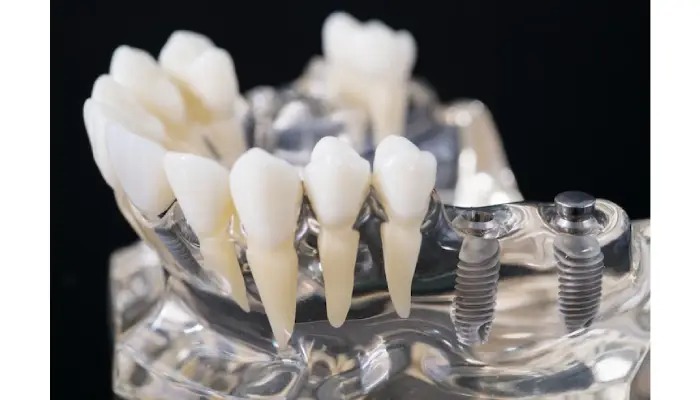
Caring for All-on-X dental implants is important for their long-term success. These implants are tough but need regular maintenance just like your natural teeth to avoid any infections in the gums or bones. After getting your implants, follow post-operative instructions carefully to promote healing and sidestep complications. It’s essential to brush twice a day with a soft-bristled toothbrush while flossing daily, too, as this helps keep plaque at bay. Staying hydrated is crucial for oral health as well. Regular dental check-ups help catch issues early and ensure everything’s in good shape, so don’t skip those appointments if you want them to last!
1. Importance of Maintenance for All-on-X Implants
Taking care of All-on-X dental implants in Pembroke Pines is crucial for their longevity and effectiveness. These implants can last a lifetime, but they need daily attention to stay in good shape. Just like natural teeth, implants can accumulate plaque if not cleaned regularly, leading to potential infections in the surrounding gum tissue. Healthy gums are essential for the stability of your implants, as they help anchor the device in place.
Routine maintenance not only helps prevent infections but also avoids costly repairs or replacements down the line. Good oral hygiene is key for enhancing the aesthetic appeal of your implants, ensuring they continue to look natural and appealing. Consistent care is vital to reduce the risk of gum disease, which can jeopardize the health of your implants.
Maintaining bone health around your implants is also important for providing the necessary support. Patients should keep in mind that their diet plays a significant role in the health of their implants. A balanced diet, low in sugars and acids, can help preserve gum and bone health. Ultimately, being aware of the maintenance needed for All-on-X implants empowers patients to take control of their oral health and enjoy the benefits of their dental restoration for years to come.
- Dental implants can last a lifetime with proper care.
- Implants require daily attention to avoid plaque buildup.
- Routine care helps prevent infections around the implants.
- Healthy gums are crucial for implant stability and longevity.
- Regular maintenance can prevent costly repairs or replacements.
- Good oral hygiene can enhance the aesthetic appeal of the implants.
- Consistent care reduces the risk of developing gum disease.
- Preserving bone health around implants is essential for support.
- Patients should understand the impact of diet on implant health.
- Awareness of maintenance can empower patients to take control of their oral health.
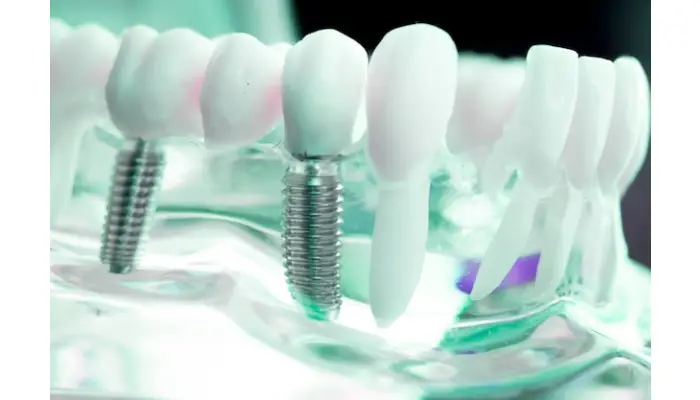
2. Immediate Post-Implant Care Tips
After your All-on-X dental implant surgery, taking care of your mouth is crucial for a smooth recovery. First, avoid any strenuous activities for a few days, as your body needs time to heal. Stick to a soft diet, choosing foods like yogurt, mashed potatoes, and smoothies to keep pressure off the surgical area. It’s important to keep the area clean, but hold off on direct brushing until your dentist advises otherwise. Instead, you can use saltwater rinses to gently cleanse your mouth. Be mindful of any unusual symptoms, like excessive bleeding or swelling, and don’t hesitate to reach out to your dentist if you have concerns. Additionally, avoid using straws, as they can dislodge the blood clot that forms and aids in healing. Take any prescribed pain medications to manage discomfort, and steer clear of alcohol, which can hinder your recovery. Finally, plan for enough rest during this period, as it supports your body’s healing process.
3. Daily Oral Care Routine for Implants
To keep your All-on-X dental implants in top shape, establish a daily oral care routine that focuses on gentle yet effective cleaning. Start by brushing twice a day with a soft-bristled toothbrush, which is specially designed for sensitive gums. If you prefer, an electric toothbrush can offer a more thorough clean, helping to remove plaque effortlessly. Don’t forget to include interdental brushes to reach those tricky spots between the implants and natural teeth. Daily flossing is also crucial, as this prevents gum irritation and keeps your mouth healthy. After brushing, rinse with an antibacterial mouthwash to help eliminate bacteria and freshen your breath. Make it a habit to replace your toothbrush every three to four months, or sooner if the bristles become frayed. While brushing, be careful not to apply too much pressure, as this can damage the implant surface. If you want an extra layer of cleanliness, consider using a water flosser for a gentle and effective clean. Setting reminders can help you stick to this routine, ensuring you don’t miss a day. Lastly, stay alert for any changes in your mouth and don’t hesitate to report them to your dentist.
4. Habits That Protect Your All-on-X Implants
To keep your All-on-X implants in top shape, developing good habits is essential. Regularly visiting your dentist for check-ups and cleanings helps catch any issues early. A healthy diet is also crucial; try to avoid overly hard or sticky foods that could damage your implants. If you struggle with stress, practicing stress management techniques can help reduce teeth grinding, which can put unnecessary pressure on your implants.
It’s important to educate yourself about the best practices for implant care. Understanding how alcohol can affect healing is key; moderation is important. Be aware of any medications you might be taking that could impact your oral health. Consider making lifestyle adjustments to support gum and bone health, like quitting smoking or reducing sugary snacks and beverages, which can lead to decay.
Engaging in regular physical activity promotes overall wellness, benefiting not just your implants but your entire body. Lastly, encourage family members to understand your dental care needs, as their support can help you maintain your oral health.
5. Professional Maintenance for Longevity
Regular professional maintenance is essential for ensuring the longevity of your All-on-X dental implants. Schedule cleanings every six months or as recommended by your dentist to keep your oral health in check. During these visits, your dentist will perform thorough examinations of the implant site and surrounding gums, as well as take X-rays to monitor bone health around the implants. This proactive approach helps catch any potential issues early.
Discuss any changes in your oral health with your dentist during your appointments, as they can provide tailored advice on managing your oral hygiene at home. You may want to ask about options like sealants or protective coatings that can add an extra layer of protection for your implants. Professional polishing can also help maintain the shine and appearance of the implant crowns, making them look their best.
Staying informed about advancements in implant care is beneficial, as new techniques and products may enhance the maintenance of your dental implants. Always follow the customized care plans developed by your dental team, and address any concerns regarding wear or damage to the implants promptly. Maintaining an open line of communication with your dentist is vital for achieving optimal care and ensuring the long-term success of your All-on-X implants.
6. Signs to Contact Your Dentist
If you notice any unusual symptoms, it’s important to reach out to your dentist promptly. Persistent swelling or redness around the implant site can indicate an issue that needs attention. If you experience unexplained pain or discomfort while chewing or speaking, do not ignore it. Additionally, visible changes in the position of the implant crown may suggest that something is not quite right. Bad breath that doesn’t improve with regular brushing is another red flag. Increased sensitivity in the surrounding teeth or gums, pus or discharge around the implant area, or changes in your bite can also signal complications. If the crown feels loose or if any swelling doesn’t subside after a few days, you should consult your dentist. Lastly, feeling unwell with symptoms like fever or chills could indicate an infection and warrants immediate attention.
7. Ensuring Long-Lasting Benefits of Implants
To ensure the long-lasting benefits of your All-on-X dental implants, it’s crucial to commit to a lifelong oral care routine. This includes regular brushing and flossing, which help maintain the health of your gums and the surrounding tissues. Educating yourself about the significance of routine dental visits cannot be overstated; these check-ups allow your dentist to monitor your implants and catch any potential issues early. Moreover, your overall health plays a vital role in your oral health, so understanding how conditions like diabetes can affect your mouth is important. Being proactive about addressing any dental issues as they arise is key, as this can prevent complications down the line.
Investing in high-quality dental products, as recommended by your dentist, ensures that you have the best tools for your care routine. Staying informed about the latest research and developments in implant care can also empower you to take better care of your implants. Open discussions with your dentist about your oral health goals can lead to tailored advice that suits your needs.
Encouraging family and friends to support your dental health journey creates a positive environment that can help you stay motivated. Maintaining a positive attitude towards your care routine is essential; celebrating milestones in your oral health journey can make the process enjoyable and rewarding.
Frequently Asked Questions
1. What should I do immediately after getting All-on-X dental implants?
Right after your surgery, it’s important to follow your dentist’s instructions closely. Rest for the day, avoid hard foods, and stick to soft foods and liquids. Use ice packs on your face if there’s swelling.
2. How can I keep my All-on-X dental implants clean?
You should brush your implants gently with a soft toothbrush and use a non-abrasive toothpaste. Flossing is also key, so ask your dentist for tips on how to floss properly around your implants.
3. Are there any foods I should avoid with All-on-X dental implants?
Yes, it’s best to stay away from hard, crunchy foods and sticky candies for a while. These can put too much pressure on your implants or get stuck and cause problems.
4. How often should I visit my dentist after getting All-on-X implants?
Regular check-ups are really important. You should visit your dentist at least every six months, but they might recommend more frequent visits based on your specific needs.
5. Can I still have some discomfort after getting All-on-X implants?
Yes, it’s normal to feel some discomfort for a few days or weeks after your procedure. Make sure to talk to your dentist if the pain is severe or doesn’t go away.
TL;DR Caring for All-on-X dental implants in Pembroke Pines is crucial for longevity. Follow post-operative care instructions, maintain a daily oral routine by brushing, flossing, and using antibacterial mouthwash. Avoid harmful habits like smoking and teeth grinding, and schedule regular dental check-ups. Watch for signs of complications, such as persistent bad breath or swelling, and contact your dentist if needed. With proper care, your implants can provide a reliable solution for many years.


Leave a Reply