
Ultra Rare Pokemon Card Packs: What Makes Them Special?
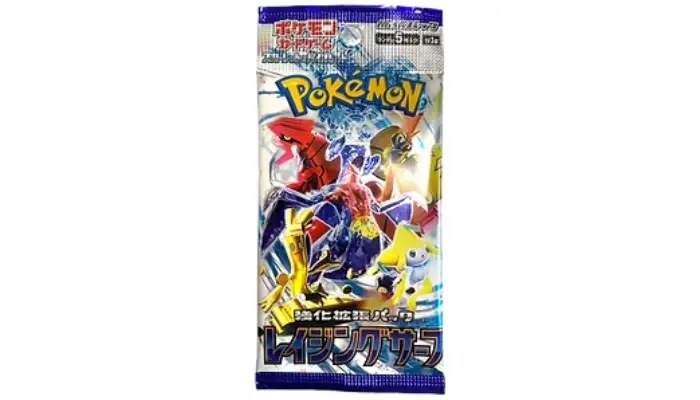
Ultra Rare Pokémon cards stand out because they combine scarcity with striking visuals. Introduced in the Black & White series and now marked by two silver stars as secret cards, these full-art gems usually show powerful Pokémon or key Supporters. Unlike regular rares, their artwork covers the entire card with holographic textures that catch collectors’ eyes. Their chance of appearing in booster packs is very low, often just once or twice per box, making them highly sought after. Aside from being collector’s items, some hold value for competitive play and can appreciate over time. This mix of rarity, design, and demand makes Ultra Rare card packs truly special.
What Defines Ultra Rare Pokémon Cards?
Ultra Rare Pokémon cards represent a specific rarity tier introduced with the Black & White expansion of the Pokémon Trading Card Game. These cards are easily recognized by their full-art designs that cover the entire card surface, showcasing either powerful Pokémon like Pokémon ex and VMAX or important Supporter cards with unique artwork. Starting from the Scarlet & Violet series, Ultra Rares can be identified by their distinctive two silver stars rarity symbol, marking them as secret cards since their numbering goes beyond the official set count. Unlike Rare Holo or other Secret Rare cards, Ultra Rares focus on full-art illustrations combined with special textures and holographic finishes that make them stand out visually and in rarity. Collectors rely on both the artwork style and the two-star symbol to spot these cards, which are often the highlight of booster packs due to their limited availability. This tier includes fan-favorite Pokémon and key Supporters designed to appeal both aesthetically and in gameplay, setting Ultra Rares apart as prized treasures within any set.
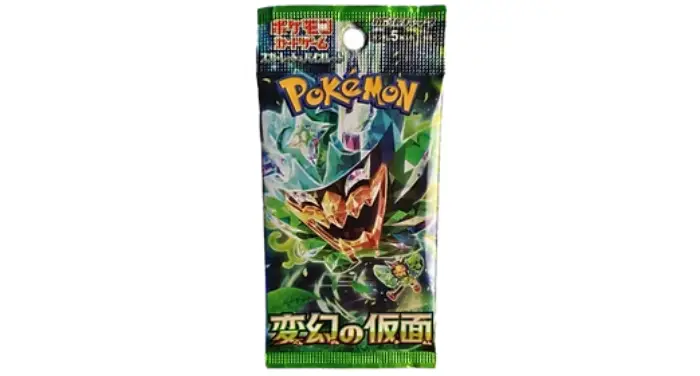
Unique Visual and Design Features
Ultra Rare Pokémon cards stand out primarily due to their full-art illustrations that cover the entire card surface, removing the standard borders seen on regular cards. This design choice creates a more immersive and striking visual experience, allowing the artwork to take center stage. These cards employ holographic foil effects combined with special textures and layered finishes that give each card a distinctive shine and tactile feel. The foil patterns often include textured or layered holo effects, adding depth and complexity that catch the eye under different lighting.
The artwork on Ultra Rares is frequently alternate or chase style, featuring dynamic poses and elaborate background details that are not found on common cards. This is especially true for popular Pokémon ex, VMAX, or key Supporter cards, where artists add vibrant colors and intricate designs to emphasize their importance. Full-art Supporter cards, like Professor’s Research or Arven, showcase characters in striking poses with detailed scenes behind them, elevating their visual appeal.
Unlike standard cards with framed artwork, Ultra Rares minimize or completely remove borders, making the image feel seamless and more artistic. This borderless design, combined with vivid colors and detailed line work, highlights the card’s rarity and special status within a set. Each Ultra Rare card has a unique look that makes it easy to identify at a glance, reinforcing its collectible value. These visual elements not only enhance the card’s aesthetic but also serve as a clear symbol of rarity and exclusivity in the Pokémon TCG.
How Rare Are Ultra Rare Cards?
Ultra Rare cards are among the hardest to find in the Pokémon TCG, appearing much less often than standard Rare or Holo cards. Typically, you can expect to pull only one or two Ultra Rares per booster box, making them a rare sight during pack openings. In modern sets like Scarlet & Violet, Ultra Rares are always secret cards, meaning their card numbers exceed the total count of the set. This secret numbering is a clear marker of their rarity. Additionally, the two silver stars symbol on these cards confirms their Ultra Rare status and highlights their scarcity. Their rarity is not just about pull rates; it’s also reinforced by limited print runs and the way they are distributed across packs. Compared to common or uncommon cards, Ultra Rares show up far less frequently, so collectors often need to open many packs before landing one. This scarcity is a major reason why Ultra Rare cards attract strong interest and command higher prices on the market. Overall, Ultra Rares stand out as one of the rarest and most sought-after card types in the current Pokémon Trading Card Game.
Why Collectors Value Ultra Rare Cards?
Collectors place high value on Ultra Rare Pokémon cards because of their scarcity and striking visuals. These cards often showcase fan-favorite or iconic Pokémon, which creates a strong emotional connection and nostalgia for many fans. The full-art and holographic designs make Ultra Rares stand out prominently within any collection, often becoming the centerpiece cards that collectors proudly display. Beyond aesthetics, many Ultra Rares feature unique artwork not found on other cards in the same set, adding to their exclusivity. Special editions and promotional Ultra Rares further enhance their appeal and market value. The rarity of these cards makes completing a set more rewarding, and the thrill of pulling one from a booster pack adds excitement to the collecting experience. Collectors appreciate how Ultra Rares balance art, rarity, and gameplay relevance, making them highly sought after both for personal enjoyment and investment potential.
- Collectors prize Ultra Rares for their low availability and visual appeal.
- They often depict fan-favorite or iconic Pokémon, enhancing demand.
- Full-art and holographic features make them stand out in collections.
- Many collectors use Ultra Rares as centerpiece cards in their sets.
- Nostalgia and emotional connection to featured Pokémon play a role.
- Some Ultra Rares come as special editions or promos, increasing value.
- Their rarity makes completing a set feel more rewarding for collectors.
- Ultra Rares often have unique artwork not found on other cards in a set.
- Collectors appreciate the balance of art, rarity, and gameplay relevance.
- The excitement of pulling an Ultra Rare adds to their collectible status.
Market Prices and Investment Trends
Ultra Rare Pokémon cards usually command higher prices due to their scarcity and strong demand among collectors and players. Older or limited-edition Ultra Rares, especially first editions, have seen significant value appreciation over time. The condition of a card plays a crucial role in its market price, with professionally graded cards often selling at a premium. Popular Pokémon featured on Ultra Rare cards, like Charizard or Gardevoir, tend to fetch higher prices because of their fan base and overall appeal. Cards that remain relevant in competitive play also attract more buyers, driving up their market value. Because Ultra Rares are difficult to pull from booster packs, this scarcity pushes booster box prices higher as collectors and investors try to secure these valuable cards. Many investors keep a close eye on Ultra Rare cards for potential long-term gains, tracking trends based on set popularity and shifts in the Pokémon meta. Promotional Ultra Rare cards, which are produced in limited quantities, can experience sudden spikes in value when demand outpaces supply. Active secondary markets and online platforms maintain vibrant trading environments, allowing collectors and investors to buy, sell, and track Ultra Rare cards efficiently.
Famous Ultra Rare Cards and Packs
Some of the most well-known Ultra Rare cards include full-art Charizard variants, which have become iconic due to their striking artwork and popularity. Alongside these, Pokémon ex and VMAX cards stand out as powerful Ultra Rares, often featuring dynamic designs that capture attention. Supporter cards like Professor’s Research and Arven also appear as Ultra Rares in recent sets, combining gameplay value with collector appeal. The Scarlet & Violet expansions introduced Ultra Rares such as Magnezone, Miraidon, and Gardevoir, adding fresh favorites to the roster. Expansions like Paldea Evolved, Obsidian Flames, and Paradox Rift are notable for unique Ultra Rares that often come with secret numbering and special foil patterns. Older series also contributed Ultra Rare cards marked by distinct rarity symbols and visual effects, setting early standards for this rarity tier. Packs that advertise increased chances of pulling Ultra Rares are highly sought after by collectors and players alike, as these cards often shape competitive decks and hold long-term value. The combination of rarity, artwork, and gameplay significance has made Ultra Rare cards a central part of the Pokémon TCG’s collectible landscape.
How Ultra Rares Differ from Other Rarities?
Ultra Rare Pokémon cards stand apart mainly because of their full-art designs and distinct rarity markers. Unlike Rare Holo cards, which feature a holographic illustration area but keep the standard card borders, Ultra Rares cover the entire card with artwork, often accompanied by elaborate holo textures and finishes that make them visually striking. While Secret Rare cards sometimes overlap with Ultra Rares, Ultra Rares are specifically identified by two silver stars indicating their secret card status, generally meaning their card number exceeds the regular set count. Special Illustration Rares (SIR) go a step further with gold stars and are usually even rarer, but Ultra Rares focus on showcasing powerful Pokémon or key Supporter cards, often in the form of Pokémon ex, VMAX, or V cards with unique, alternate artwork. The rarity symbol and numbering system help collectors quickly distinguish Ultra Rares from other cards, and their pull rates are significantly lower than standard Rare or Holo cards, adding to their appeal. This combination of full-art visuals, unique rarity marks, and scarcity creates a clear separation between Ultra Rares and other rarities, making them a standout collectible within the Pokémon TCG.
What Makes Ultra Rare Packs Exciting?
Pulling an Ultra Rare card from a pack brings a unique thrill that goes beyond just collecting. The chance of finding these highly sought-after cards is often highlighted on the packaging, making each pack feel special right from the start. Ultra Rare cards don’t just catch the eye with their full-art designs and holographic effects, they also add real value to gameplay, offering powerful Pokémon and Supporter cards that can influence battles. This blend of beauty and function keeps booster pack openings fresh and engaging, as the rarity means you never know when you might land that elusive card. Within collector communities, sharing Ultra Rare pulls sparks social excitement, with players and collectors swapping stories and images online, further boosting the appeal. Some Ultra Rare cards appear in limited-edition or promotional packs, adding another layer of exclusivity and driving demand. Because of their scarcity and standout designs, Ultra Rare cards increase the perceived value of entire booster boxes or sets, motivating collectors to chase after more packs. Online marketplaces frequently spotlight these cards, making them a focal point for trading and sales. Overall, it’s the combination of stunning artwork, rarity, gameplay impact, and community buzz that makes Ultra Rare packs truly special and exciting to open.
Frequently Asked Questions
1. What makes ultra rare Pokemon card packs different from regular packs?
Ultra rare Pokemon card packs usually include cards that are harder to find, with unique designs, special foil patterns, or limited print runs. These features set them apart from standard packs, making them more sought after by collectors.
2. How are the cards inside ultra rare packs chosen compared to normal packs?
Cards in ultra rare packs are often selected to include exclusive or limited-edition cards, which may not appear in regular packs. This selective process helps increase their rarity and appeal to serious collectors.
3. Are there special features or designs that only appear in ultra rare Pokemon card packs?
Yes, ultra rare packs often contain cards with distinct holo foiling, alternate artwork, or unique textures that are not found in common packs. These design elements add to the card’s collectible value and visual appeal.
4. Can ultra rare Pokemon card packs include cards from specific sets or events only?
Sometimes, ultra rare packs feature cards tied to special events, anniversaries, or limited sets that are not widely released. This adds exclusivity and can highlight iconic or commemorative Pokemon.
5. How does the rarity of cards in ultra rare packs impact collecting and gameplay?
While ultra rare cards can be powerful or visually impressive, they mostly influence collecting by offering unique or limited items that are harder to obtain. In gameplay, their rarity does not always mean they are better, but they often become prized for their scarcity and design.
TL;DR Ultra Rare Pokémon cards are a special tier known for their full-art, holographic designs and very low pull rates, usually marked by two silver stars. They feature fan-favorite Pokémon and Supporters, making them highly sought after by collectors and investors. These cards are often secret-numbered, adding to their rarity and value. Compared to other card rarities, Ultra Rares stand out visually and in market demand, with some cards appreciating significantly over time. Pulling Ultra Rare cards adds extra excitement to booster packs and they often hold competitive as well as collectible appeal.
Resource URL:
https://en.wikipedia.org/wiki/Pok%C3%A9mon_Trading_Card_Game




Leave a Reply